
MRI shimming and magnetic field correction service
MRI shimming restores magnetic field homogeneity and allows the system to produce reliable diagnostic images again. Our engineers identify the root cause of the instability and perform the necessary calibration and adjustment before returning the scanner to clinical operation.
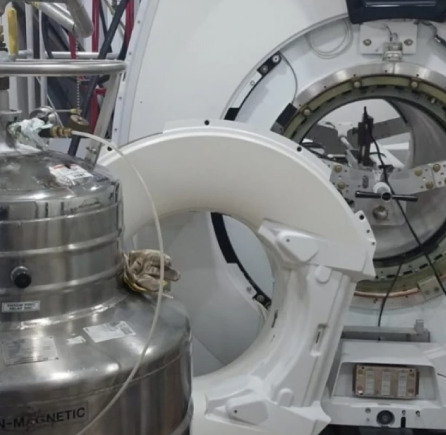
Signs your MRI may require shimming service
MRI depends on an extremely homogeneous magnetic field. Even small variations in field uniformity can significantly affect image geometry, signal intensity and diagnostic accuracy. Over time, environmental factors, cryogenic behavior and natural magnet drift gradually alter the magnetic field distribution inside the magnet. Many facilities temporarily compensate by adjusting protocols, but these adjustments do not correct the underlying problem.MRI shimming is the process of restoring magnetic field homogeneity, allowing the system to operate within manufacturer specifications and produce consistent, diagnostic-quality images. This condition is commonly observed in superconducting MRI systems from manufacturers such as GE Healthcare, Siemens Healthineers and Philips.
Common causes of MRI field instability
Magnetic field instability usually develops gradually. MRI systems are extremely sensitive to environmental and cryogenic variations, and even small changes can affect homogeneity and calibration stability
- Image artifacts
- Failed calibrations
- Frequency drift
- Poor signal uniformity
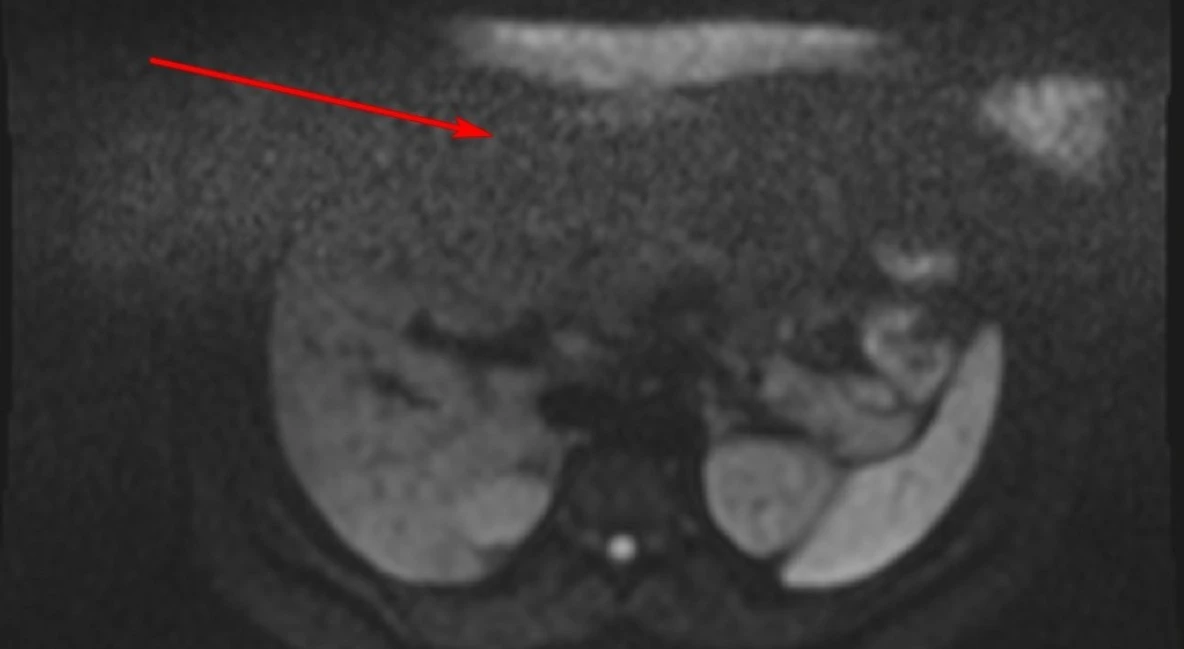
Our Shimming Process
Our engineers follow a defined technical workflow to diagnose magnetic field behavior, apply the appropriate correction and verify image quality before returning the system to operation. This structured procedure allows accurate diagnosis and predictable correction of magnetic field instability.
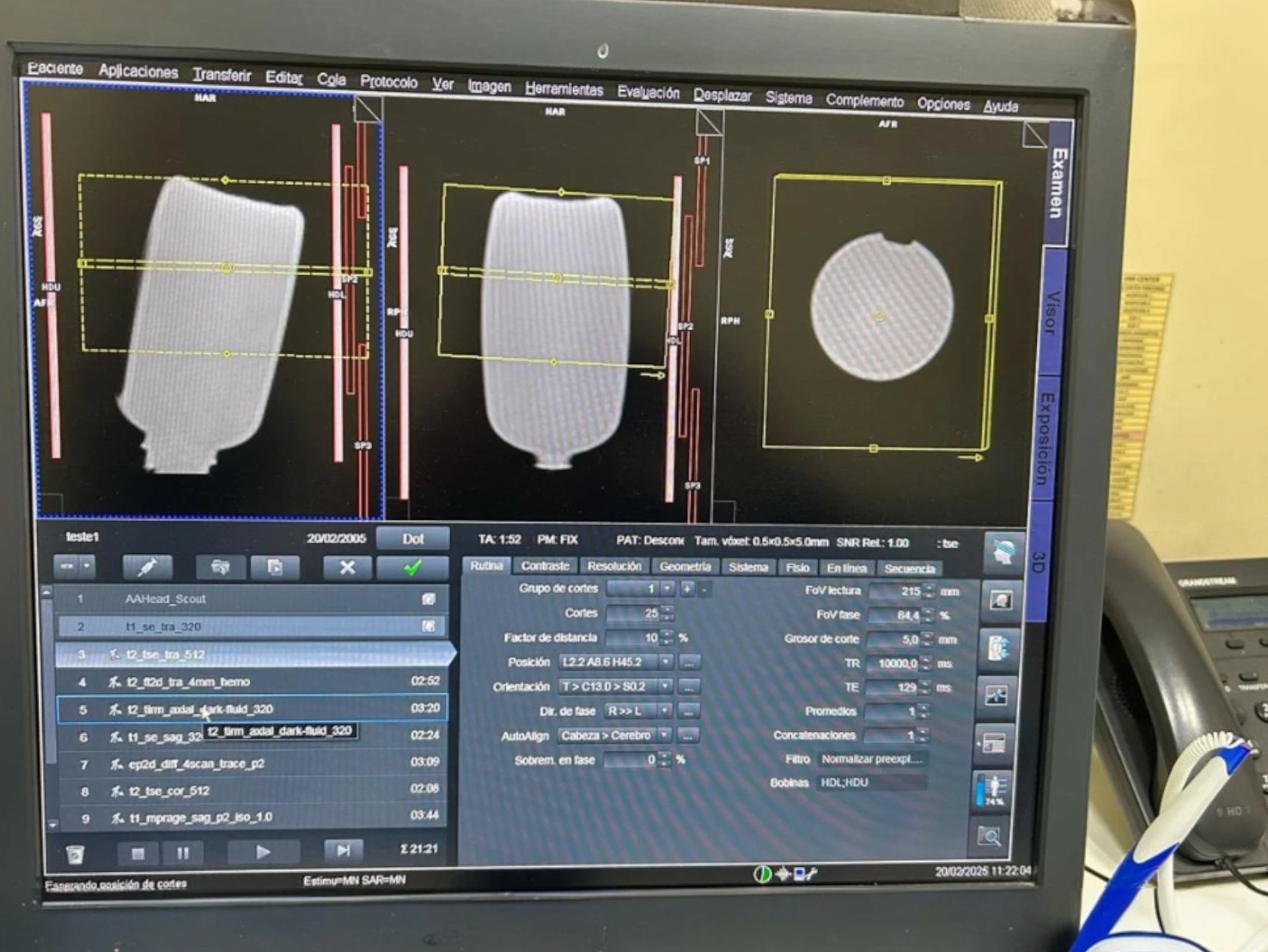
Step 1 — Field Analysis and Diagnosis
The procedure begins with magnetic field evaluation. System performance and imaging behavior are reviewed to identify distortion patterns and homogeneity deviation. Calibration data and image characteristics are analyzed to determine the origin of the issue before any adjustment is performed.
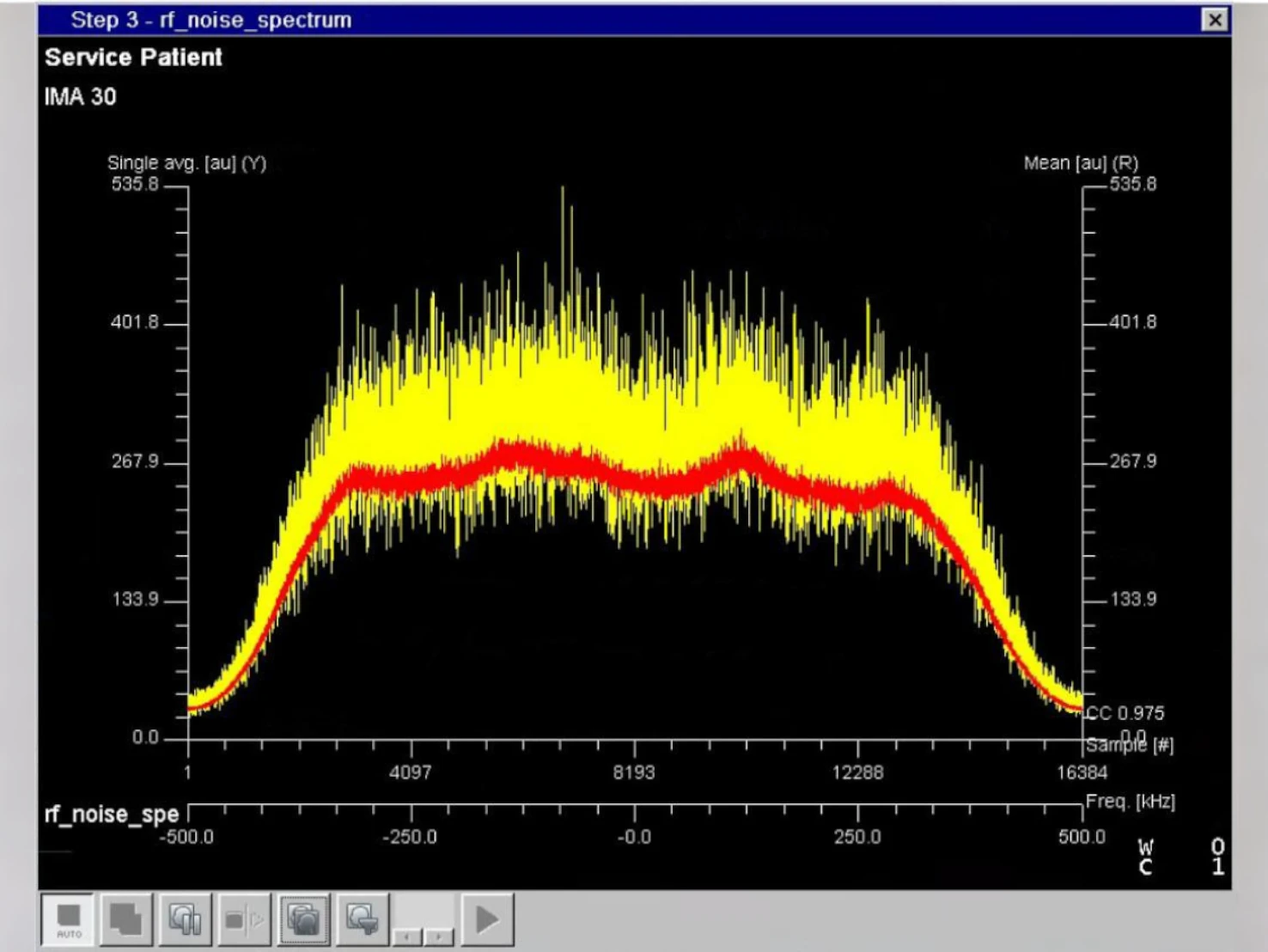
Step 2 — Adjustment and Image Validation
After diagnosis, shim adjustments and system calibration are performed to restore field uniformity. The system is recalibrated and validation scans are executed to confirm geometry accuracy, signal consistency and diagnostic image quality before returning the system to clinical operation.
MRI systems and platforms we service
Our engineers support a wide range of superconducting MRI systems. Below are some of the platforms we frequently service.
Siemens
- Siemens Magnetom Altea
- Siemens Magnetom Aera
- Siemens Magnetom Amira
- Siemens Magnetom Avanto
- Siemens Magnetom C!
- Siemens Magnetom Espree
- Siemens Magnetom Essenza
- Siemens Magnetom Sempra
- Siemens Magnetom Skyra
- Siemens Magnetom Sola
- Siemens Magnetom Symphony
- Siemens Magnetom Verio
GE Healthcare
- Signa HDxt
- Signa Excite
- Signa Voyager
- Signa Creator
- Optima MR360
- Optima MR450w
- Signa Brivo
- Discovery MR750
- Signa Architect
Philips
- Intera
- Achieva
- Multiva
- Ingenia
Consequences of uncorrected MRI field instability
Unresolved magnetic field instability affects clinical reliability, workflow efficiency and operational performance.
Repeat exams
Patients may need to return due to non-diagnostic images.
Diagnostic uncertainty
Artifacts interfere with accurate clinical interpretation.
Revenue loss
Canceled or delayed exams reduce facility income.
Not sure what your MRI system is experiencing?
Frequently asked questions about MRI shimming
What is MRI shimming?
MRI shimming is the process of adjusting magnetic field uniformity to minimize distortions across the imaging volume and improve diagnostic accuracy.
How do I know if my MRI needs shimming?
Symptoms include shading, image warping, fat-suppression issues, geometric distortions, and artifacts—especially after relocation, ramping, or hardware replacement.
What is the difference between passive and active shimming?
Passive shimming adjusts fixed shim materials, while active shimming uses coil-based corrections controlled electronically. Most systems require a combination of both.
When is shimming required?
Shimming is typically required after room changes, ramping, quench events, cold head service, gradient replacement, or when MRI image quality shows signs of magnetic drift.
Do you support Siemens MRI systems?
Yes. Our engineers have extensive hands-on experience performing shimming on Siemens MRI systems using OEM-compliant tools and procedures.