
MRI installation and deinstallation Service
When Is MRI installation or deinstallation required?
What is involved in MRI install and deinstall?
Magnetic field instability usually develops gradually. MRI systems are extremely sensitive to environmental and cryogenic variations, and even small changes can affect homogeneity and calibration stability
Magnet ramp down
The magnetic field is safely reduced to allow handling and transport.
Cryogenic stabilization
Helium levels and cooling conditions are controlled to protect the magnet.
Mechanical disassembly
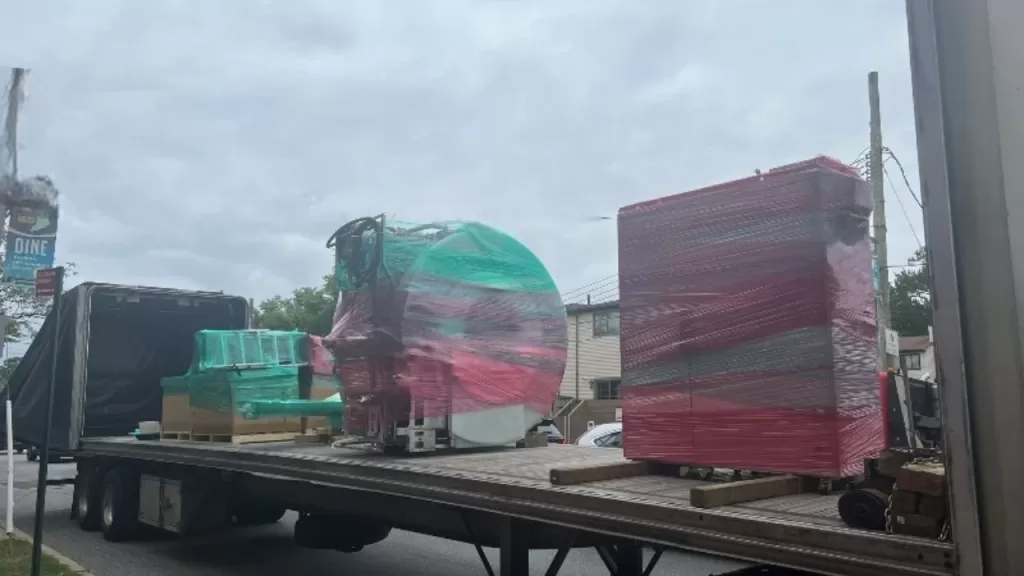
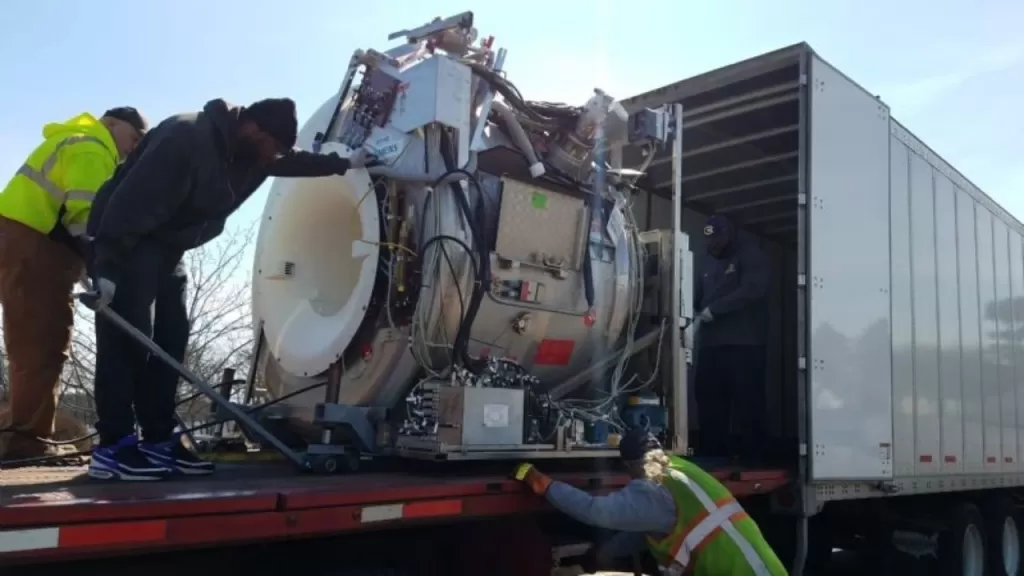
Gradients, patient table, panels, and external components are removed and secured for transport.
Positioning, preparation and operation
After installation, the magnet is positioned, stabilized, and prepared for ramping and calibration.
Our MRI installation and deinstallation procedure
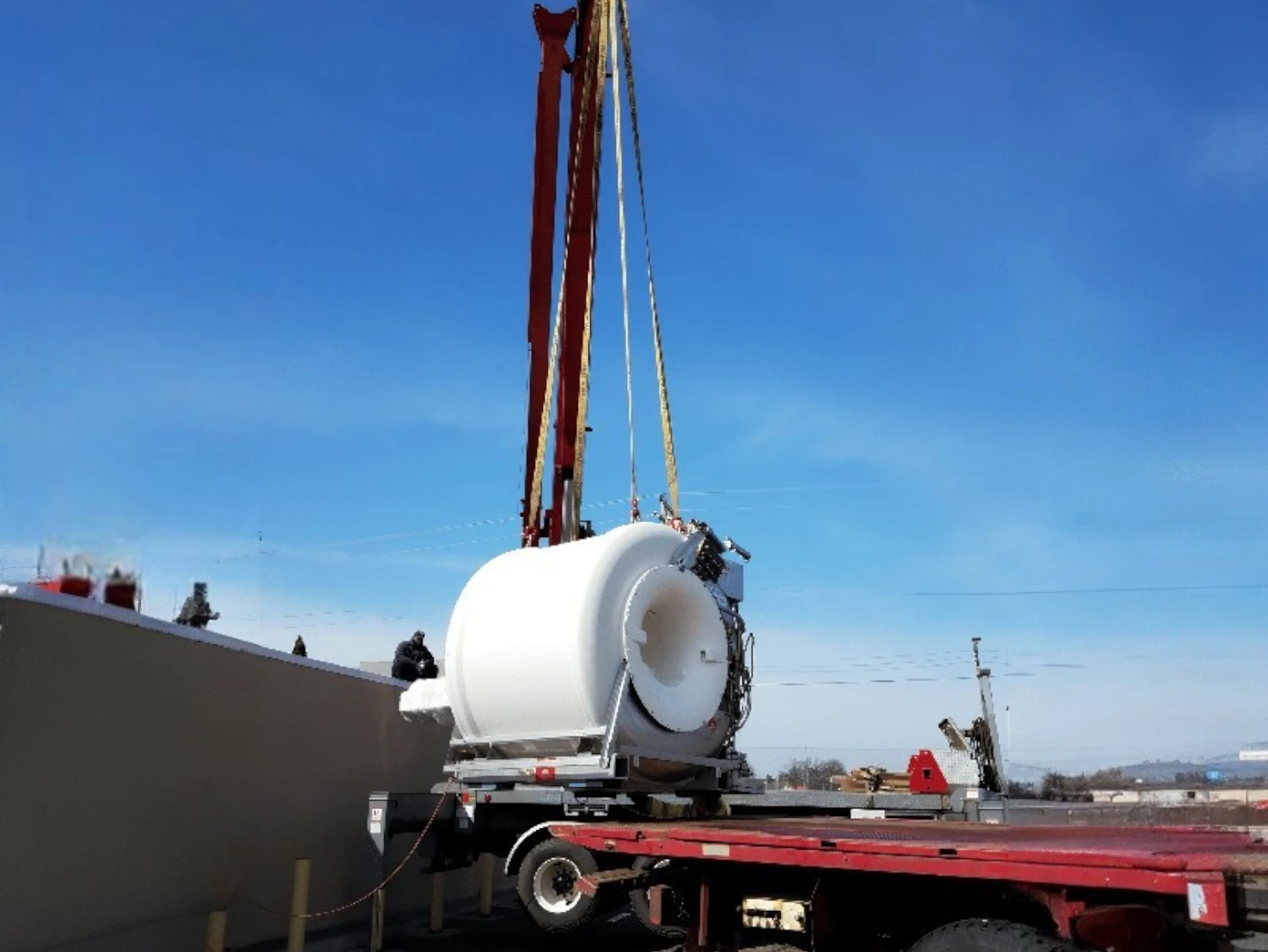
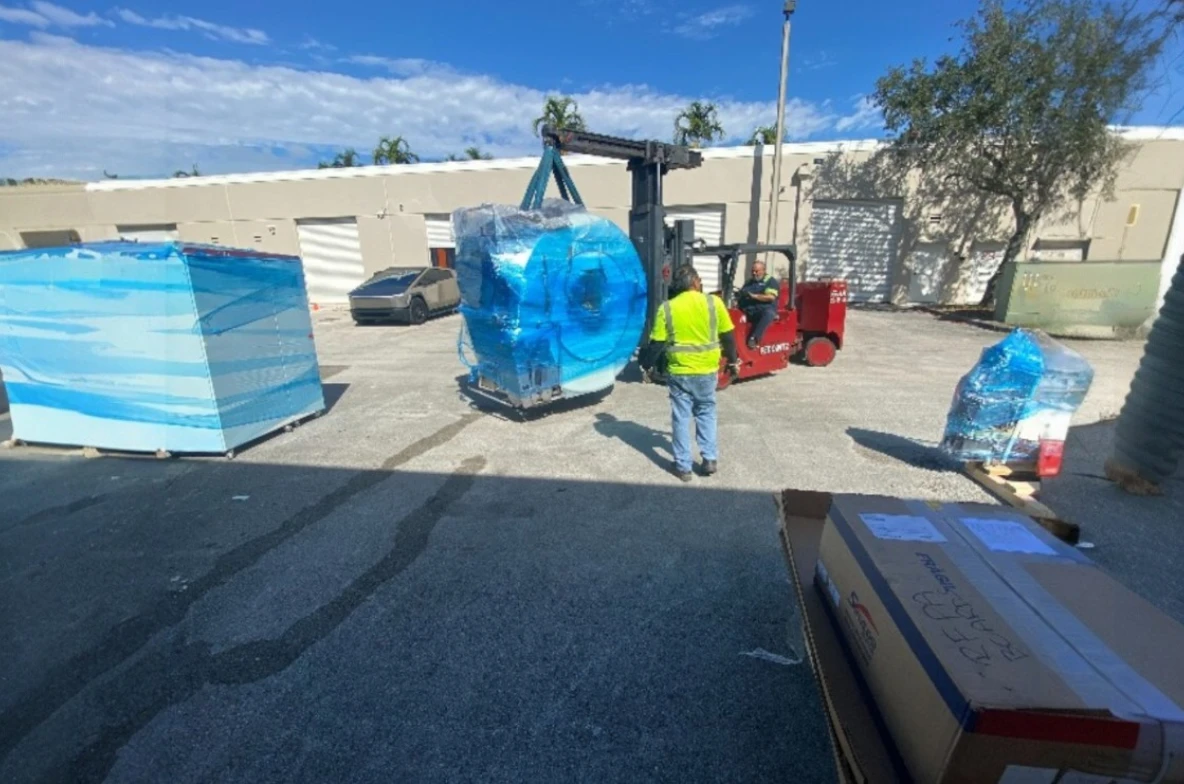
Step 1 — Site preparation and system disassembly
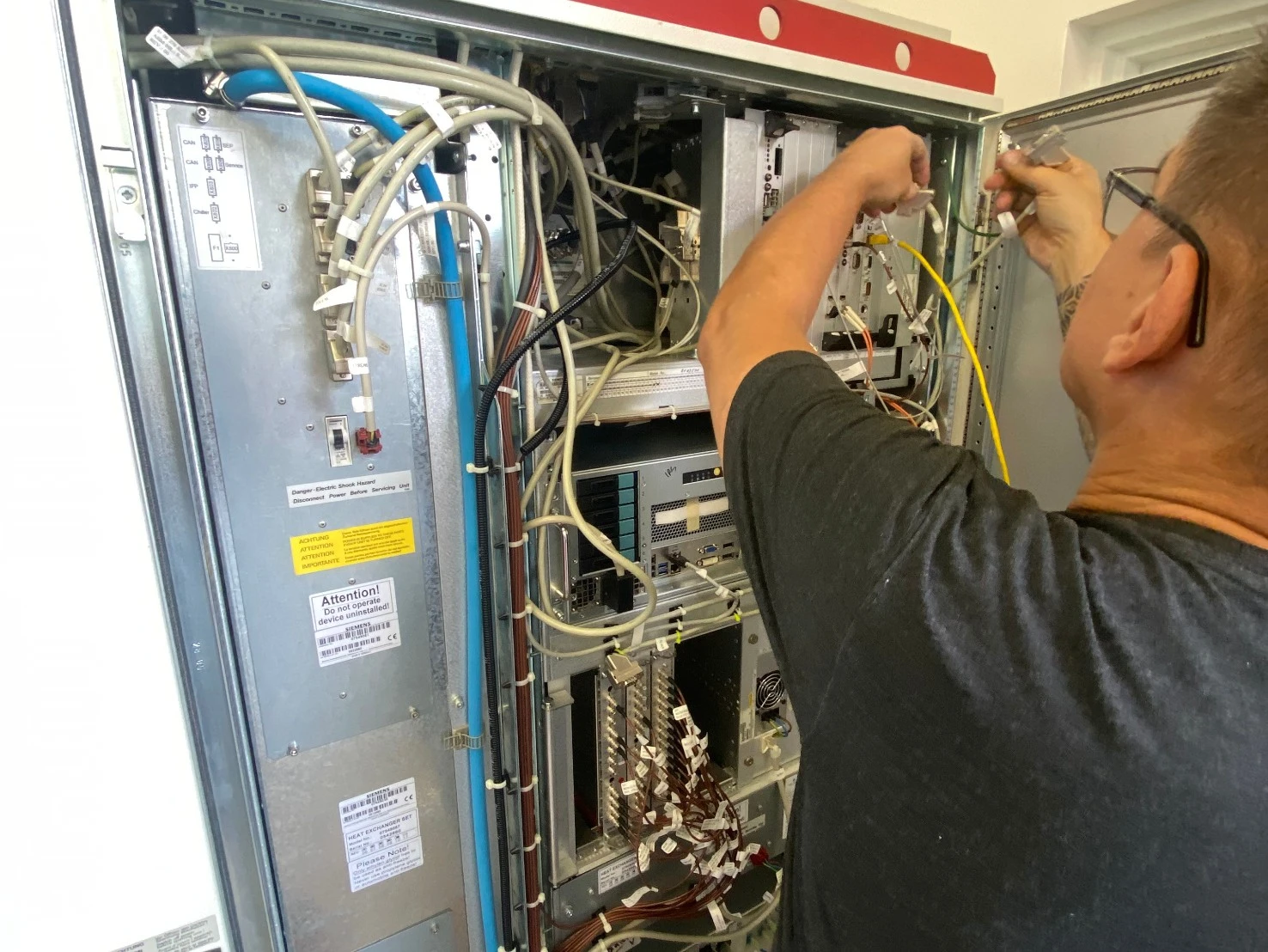
Step 2 — Installation, Stabilization and System Readiness
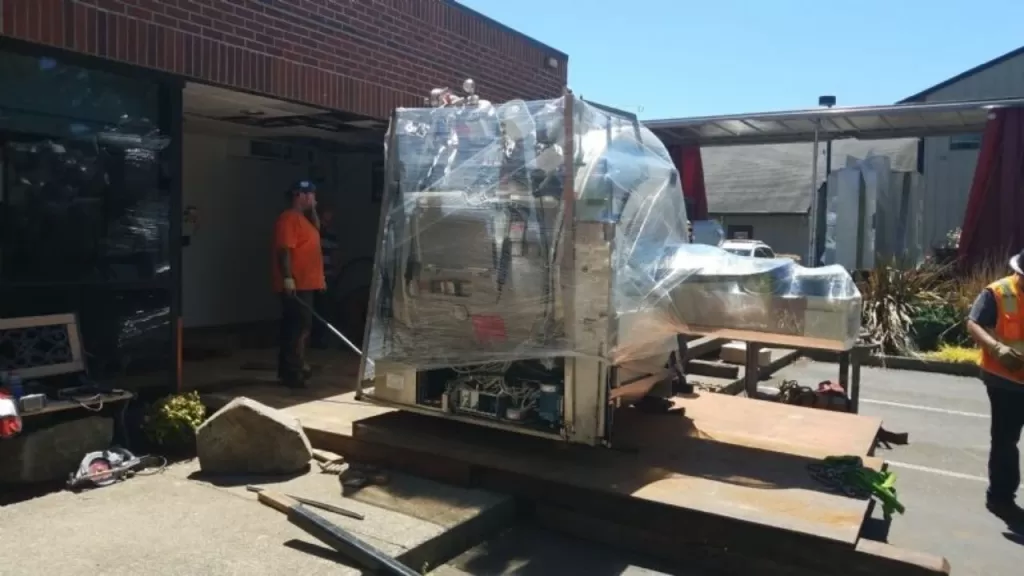
After positioning at the new site, the system is reassembled, cryogenic conditions are verified, and the magnet is prepared for ramping and calibration.
MRI systems and platforms we service
Our engineers support a wide range of superconducting MRI systems. Below are some of the platforms we frequently service.
Siemens
- Siemens Magnetom Altea
- Siemens Magnetom Aera
- Siemens Magnetom Amira
- Siemens Magnetom Avanto
- Siemens Magnetom C!
- Siemens Magnetom Espree
- Siemens Magnetom Essenza
- Siemens Magnetom Sempra
- Siemens Magnetom Skyra
- Siemens Magnetom Sola
- Siemens Magnetom Symphony
- Siemens Magnetom Verio
GE Healthcare
- Signa HDxt
- Signa Excite
- Signa Voyager
- Signa Creator
- Optima MR360
- Optima MR450w
- Signa Brivo
- Discovery MR750
- Signa Architect
Philips
- Intera
- Achieva
- Multiva
- Ingenia
Why specialized MRI handling is necessary
-
Helium loss
-
Quench risk
-
Damages
-
Transport quench
-
Coil alignment
Risks of improper MRI removal or installation
Unresolved magnetic field instability affects clinical reliability, workflow efficiency and operational performance.
Helium Loss
Improper handling can disturb the cryogenic system and cause helium loss requiring refill.
Internal Magnet Damage
Shock or tilt may move internal components, affecting field homogeneity and requiring repair.
Transport quench
Incorrect preparation may trigger a quench during transport, making the system inoperable.
Plan your MRI relocation safely
If you are planning to move, sell, install or remove an MRI system, early coordination is essential.
Response typically within one business day.
Frequently Asked Questions About MRI Install and deinstall
What is included in a complete MRI installation service?
A full installation includes ramping up, cryogenic stabilization, coil and gradient checks, shimming, tuning, image quality verification, and OEM-compliant safety testing.
How is an MRI safely de-installed?
De-installation requires controlled ramping down, magnet discharge, system securing, component disconnection, and safe removal following OEM instructions and facility guidelines.
How long does MRI installation or removal take?
Time varies depending on OEM, facility layout, and logistics, but most standard installations or de-installations take 1–3 days, plus ramping and calibration phases.
Can you relocate MRI systems to another facility?
Yes. We handle complete MRI relocation services, including de-installation, transport preparation, logistics coordination, and full re-installation at the new site.
Do you support Siemens, GE, Philips, and Canon MRI systems?
Yes. Our engineers have extensive hands-on experience with all major MRI manufacturers and follow each OEM’s technical standards and procedures.
Why is ramping up and ramping down important during installation?
Proper ramping protects the magnet from thermal and electrical stress, prevents quench events, and ensures a stable superconducting field before system commissioning.