
MRI Cooldown Service
After a quench or magnet warm-up event, controlled cooldown is required to safely return the MRI system to superconducting operation. Our engineers manage the recovery process, monitor cryogenic conditions and stabilize the magnet.
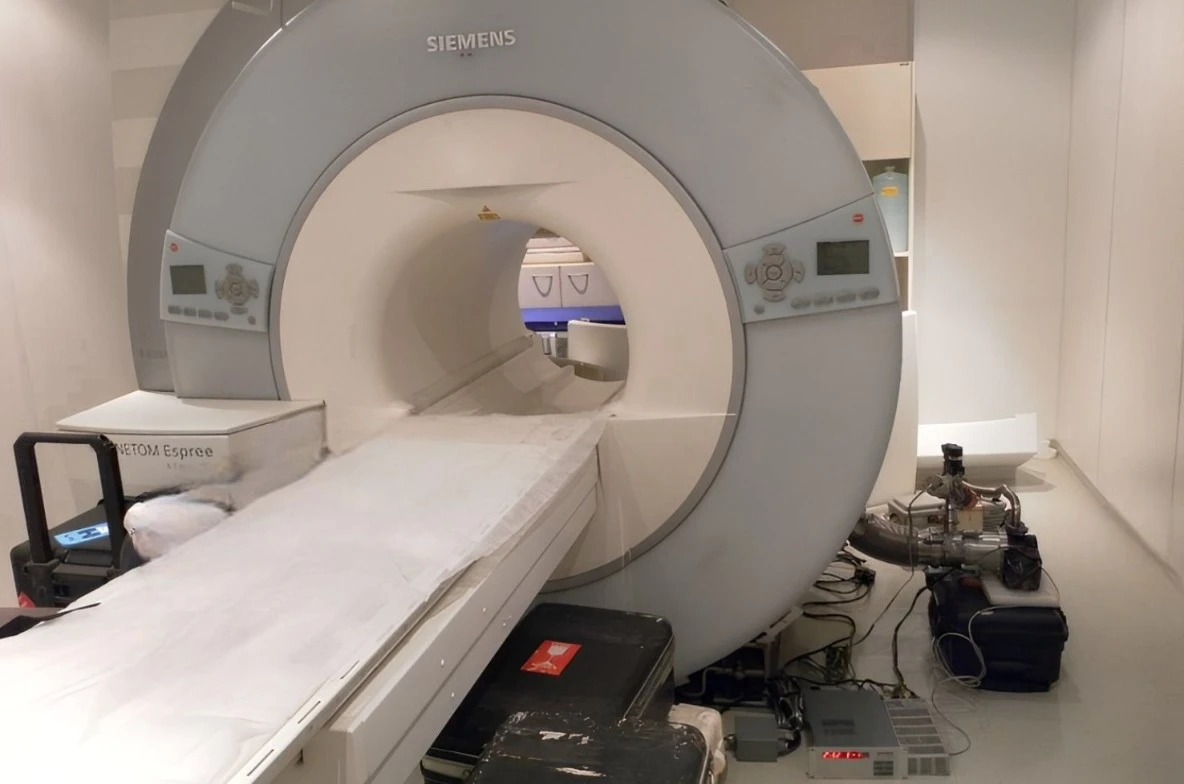
A superconducting MRI magnet operates at extremely low temperatures. When the magnet warms above operating range — whether due to a quench, extended downtime or cryogenic instability — the system cannot resume scanning until it is safely cooled back to operating conditions.The cooldown process is not simply waiting for the magnet to cool naturally. It requires controlled cryogenic management, monitoring of pressure and temperature behavior and verification that the magnet transitions back into superconducting state without damage. Improper recovery can lead to unstable operation, excessive helium consumption or repeated shutdown events. For this reason, MRI cooldown must be carefully supervised by trained personnel familiar with cryogenic systems. Rumo Tech provides complete recovery support and, when necessary, coordinates with cold head replacement or helium refill service to restore stable operation.
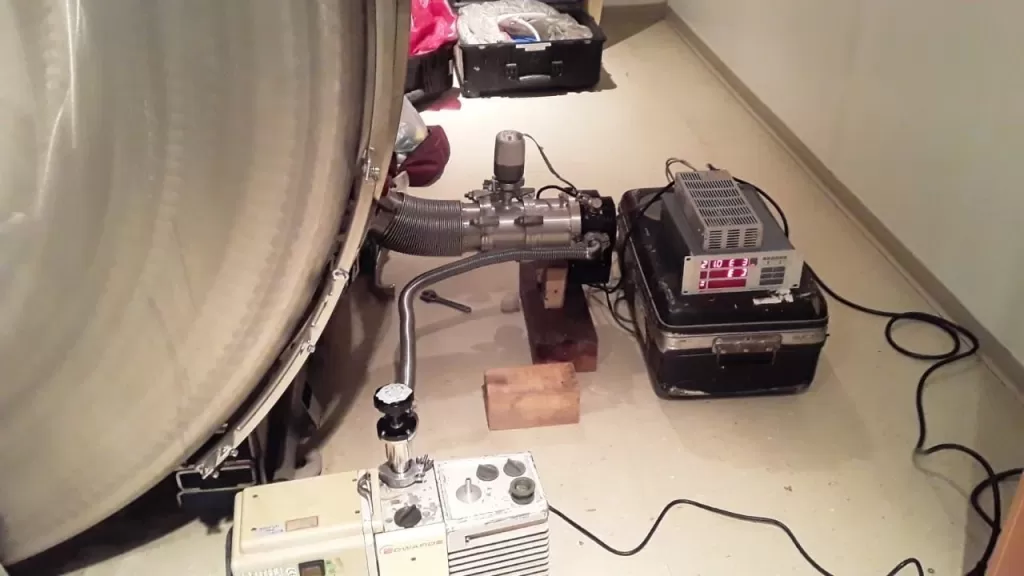
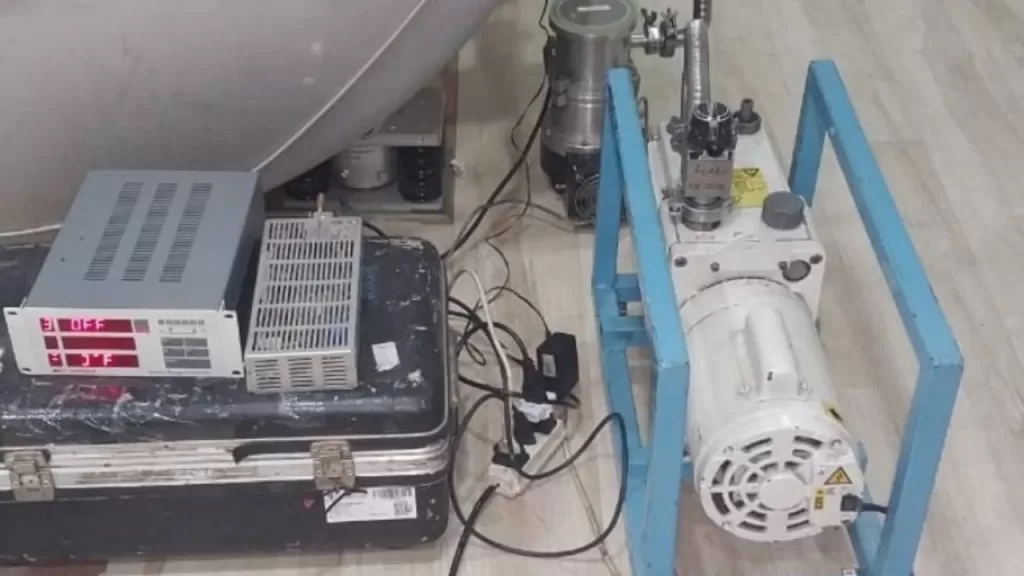
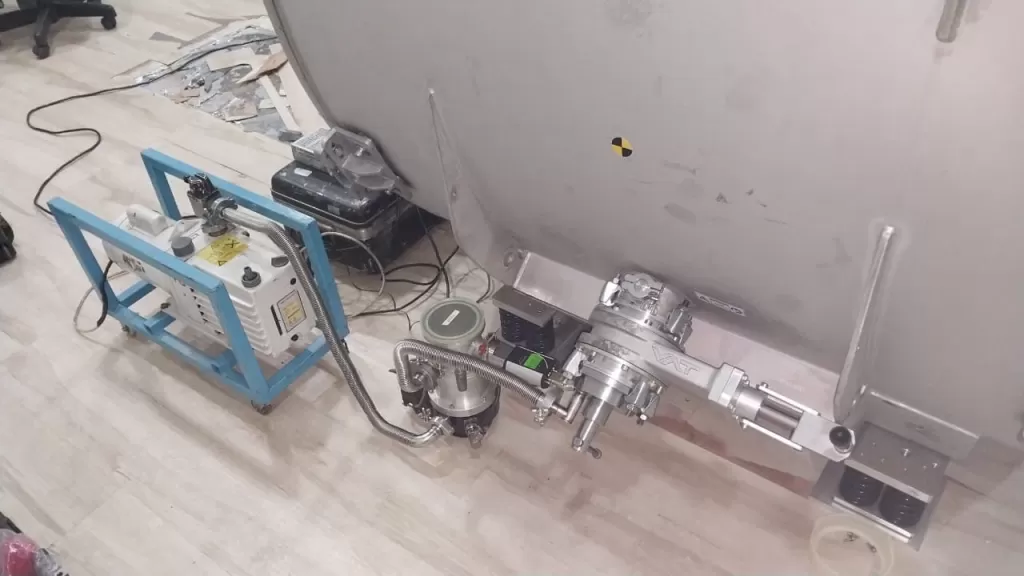
When MRI cooldown is required
Operational situations indicating a warm magnet
What causes magnet warm-up
Magnet warm-up occurs when continuous cryogenic cooling is interrupted. The superconducting magnet depends on stable temperature to maintain its magnetic field. When cooling capacity is lost, temperature rises and the system exits superconductivity.
After a quench event
Magnet loses superconductivity and helium rapidly vents.
Extended system shutdown
System remained powered off for a long period.
Cryogenic instability
Loss of cooling prevented proper magnet temperature control.
Persistent cryogenic alarms
Patients may need to return due to non-diagnostic images.
Our cooldown procedure
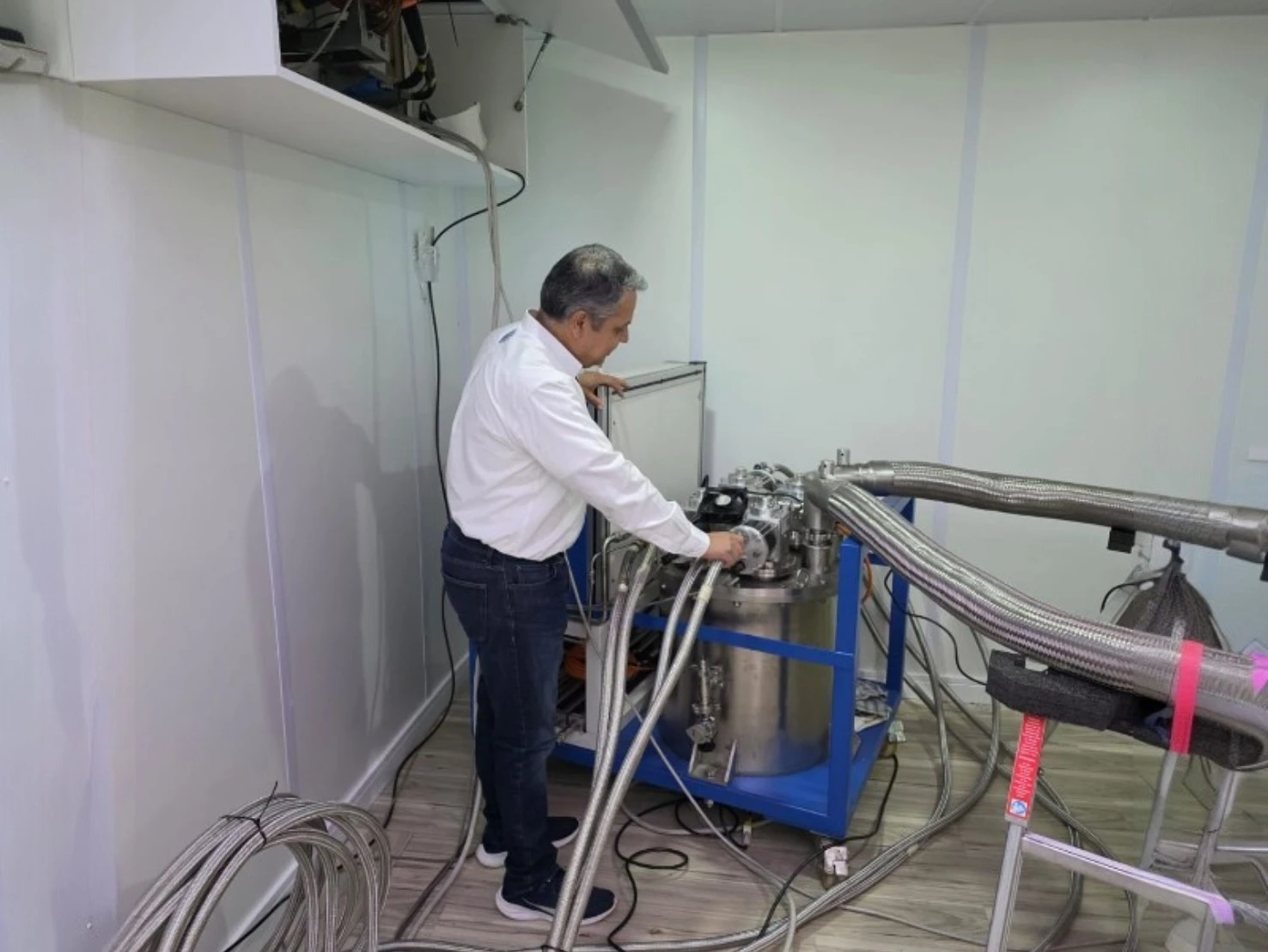
Step 1 — Preparation and system evaluation
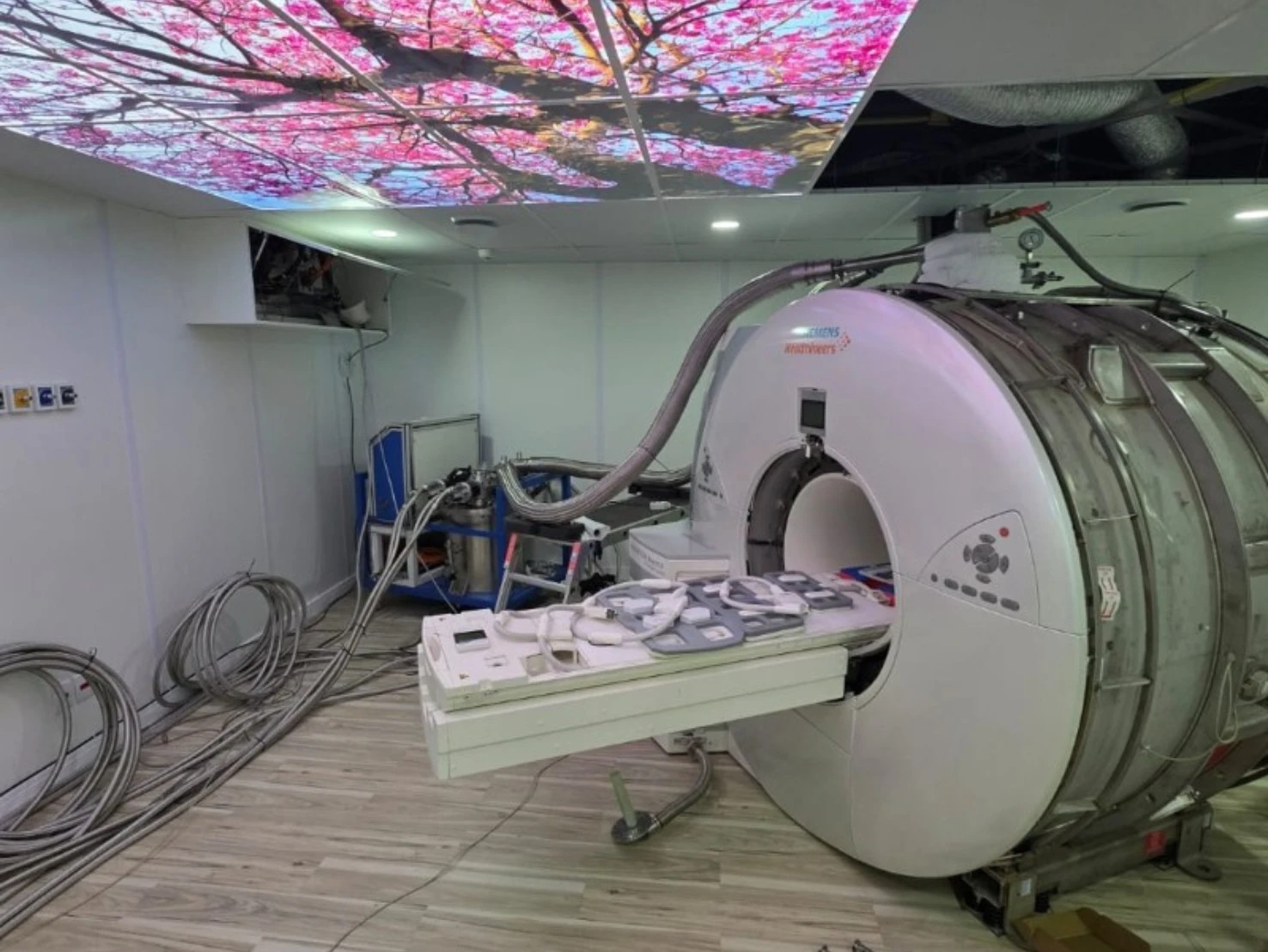
Step 2 — Controlled cooling and monitoring
The cooling process is carefully managed while monitoring magnet temperature, pressure and cryogenic response. Engineers supervise the transition back to superconducting state and confirm stable operation. If required, we coordinate shimming after cooldown to restore image uniformity.
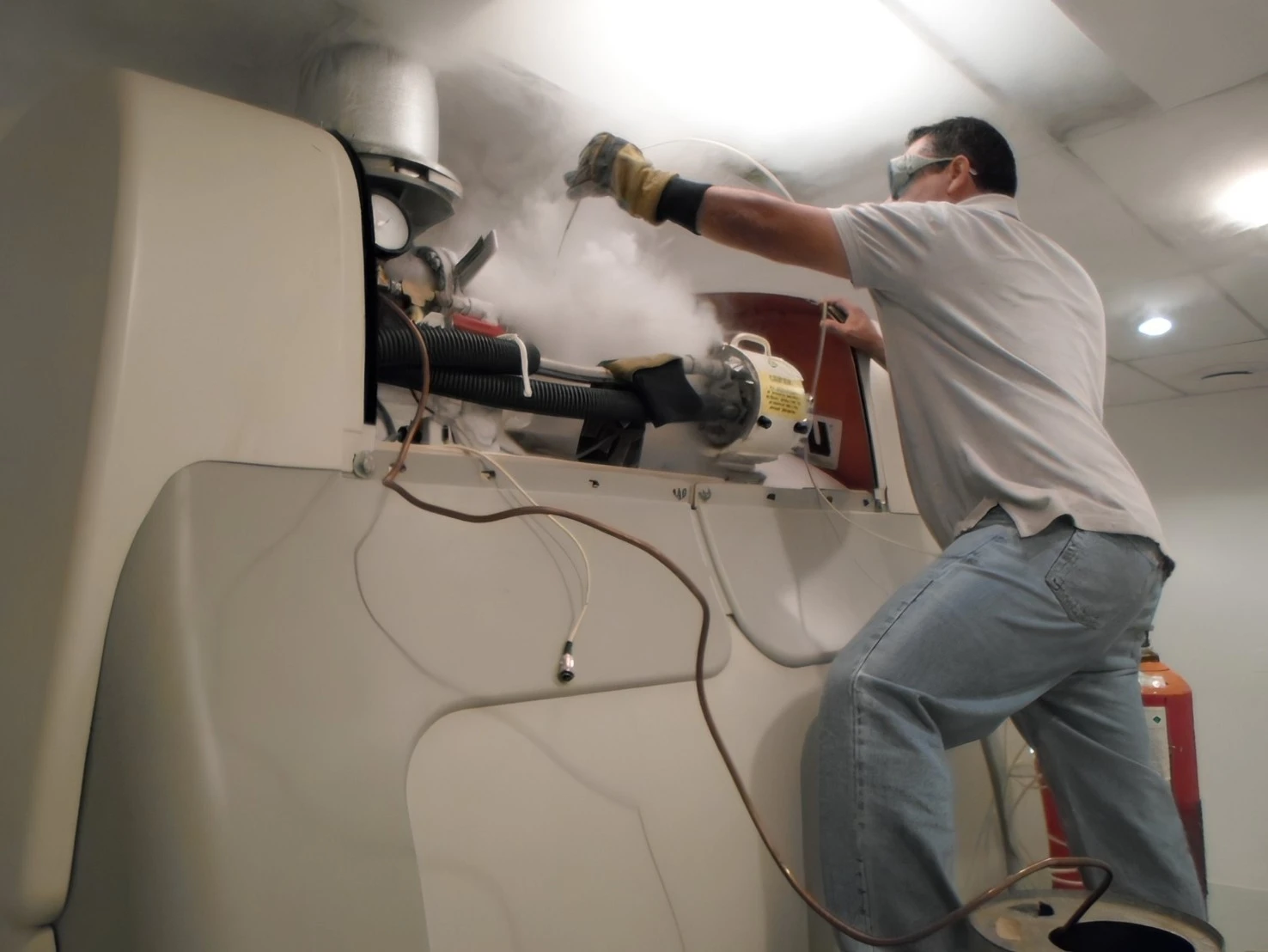
Post-cooldown procedures
- MRI shimming to restore magnetic field homogeneity and eliminate image distortion artifacts.
- Cold head replacement when cooling efficiency degradation caused the magnet warm-up.
- Helium refill service to reestablish proper cryogenic levels after a quench or excessive boil-off.
- System calibration and validation scans to confirm stable imaging performance and operational readiness.
MRI systems and platforms we service
Our engineers support a wide range of superconducting MRI systems. Below are some of the platforms we frequently service.
Siemens
- Siemens Magnetom Altea
- Siemens Magnetom Aera
- Siemens Magnetom Amira
- Siemens Magnetom Avanto
- Siemens Magnetom C!
- Siemens Magnetom Espree
- Siemens Magnetom Essenza
- Siemens Magnetom Sempra
- Siemens Magnetom Skyra
- Siemens Magnetom Sola
- Siemens Magnetom Symphony
- Siemens Magnetom Verio
GE Healthcare
- Signa HDxt
- Signa Excite
- Signa Voyager
- Signa Creator
- Optima MR360
- Optima MR450w
- Signa Brivo
- Discovery MR750
- Signa Architect
Philips
- Intera
- Achieva
- Multiva
- Ingenia
Not Every MRI Shutdown Requires a Cooldown
-
Low helium level
-
Ramping
-
Control errors
-
Sensors errors
-
Helium compressor failure
-
Cold head failure
What happens if recovery is not performed correctly
Unresolved magnetic field instability affects clinical reliability, workflow efficiency and operational performance.
Inability to restart scanning
Magnet cannot reach operating field.
Repeated shutdown events
System becomes unstable and unusable.
Excessive helium loss
Improper recovery wastes cryogens and increases cost.
Need Help Returning Your MRI to Operation?
If your scanner cannot ramp, remains in standby, or recently experienced a quench, our team can evaluate the situation and guide the recovery process. We help determine whether a controlled cooldown is required and coordinate the necessary cryogenic procedures safely.
Response typically within one business day.
Everything you need to know about MRI cooldown
What is a magnet quench?
A quench occurs when an MRI loses its superconducting state, releasing helium gas and causing a rapid temperature rise inside the magnet.
Why is post-quench cooldown necessary?
Cooldown restores the magnet to superconducting temperature, protects internal components, and prepares the system for re-introducing liquid helium.
How long does the cooldown process take?
Depending on the quench severity and cooldown method, most MRI cooldowns take 1–3 days before the system is ready for helium fill and ramping.
What is the difference between LN₂ cooldown and helium recirculation cooldown?
LN₂ cooldown uses liquid nitrogen for rapid cooling, while helium recirculation cooldown relies on a closed-loop system and requires no LN₂, reducing helium loss and environmental impact.
Can all MRI systems use helium recirculation cooldown?
No. Only systems equipped with helium recovery or recirculation hardware can use this method. Traditional systems require LN₂ cooldown.
Do you provide cooldown services for Siemens, GE and Philips?
Yes. Our team has extensive experience performing post-quench cooldowns and recovery procedures across all major MRI manufacturers.