
MRI magnet ramping service for GE, Siemens and Philips
MRI ramping is the controlled process of increasing the magnetic field until the magnet reaches its operational strength. This procedure must be performed carefully to prevent quench events, equipment damage, or system instability. Rumo Tech provides safe and monitored ramping for GE, Siemens and Philips MRI systems.
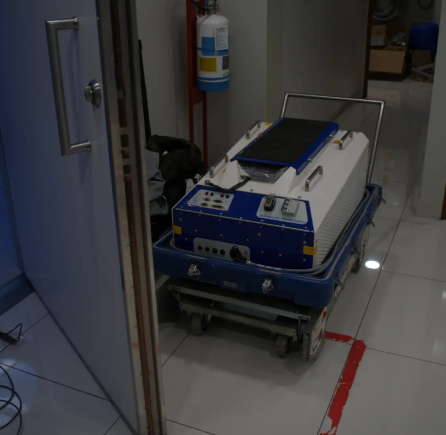
When does an MRI require ramping?
An MRI requires ramping whenever the magnet has been ramped down, lost field strength, or is being activated after installation. Facilities often notice the system is fully powered but unable to scan because the magnet field is below operational level. The console may indicate magnet standby state, ramp status messages, or incomplete system initialization. In other situations, the scanner appears operational but calibration sequences fail because the required magnetic field strength has not been reached.R amping is also necessary after certain repairs involving cryogenics, magnet components or after transportation of the system.
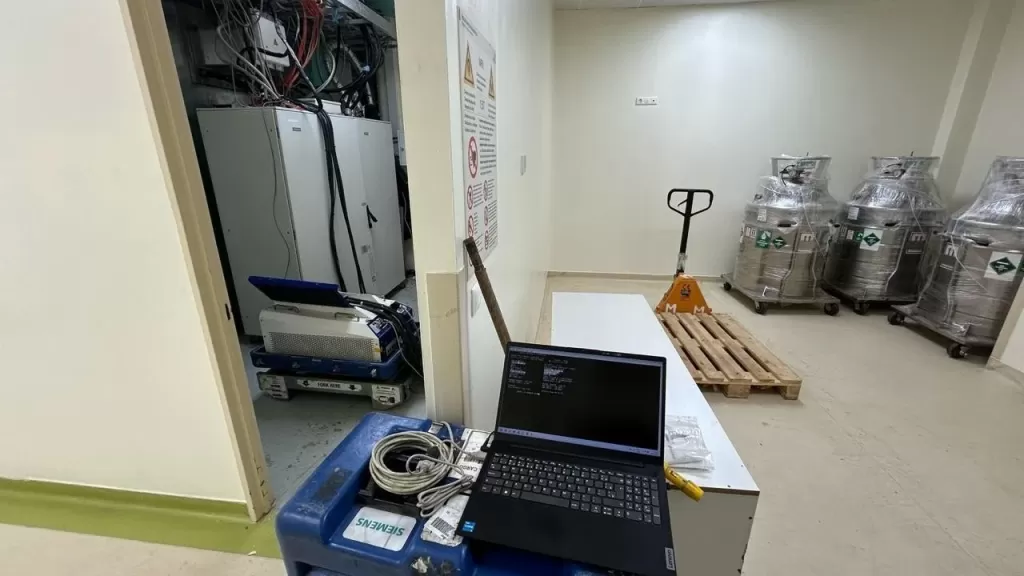
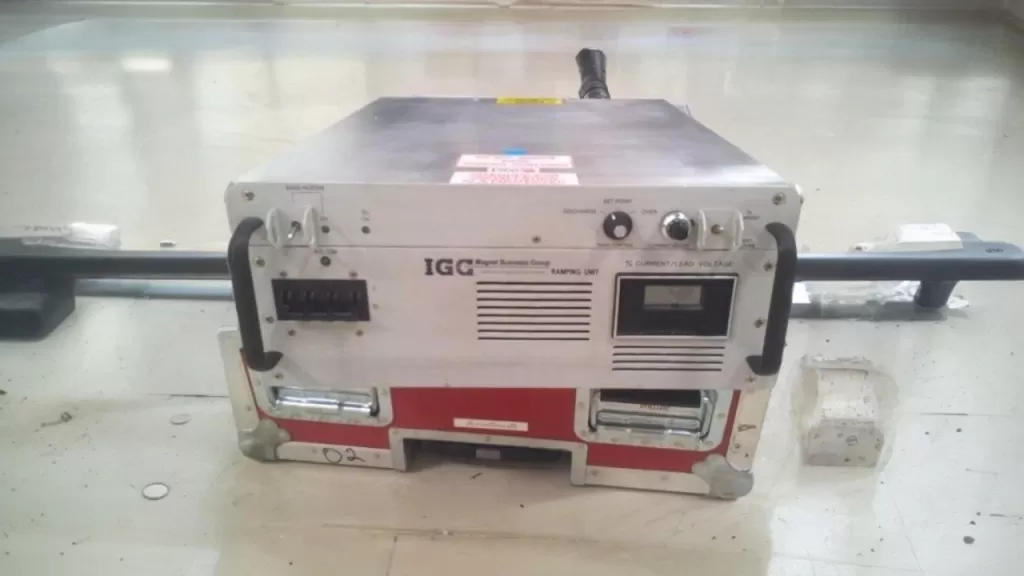
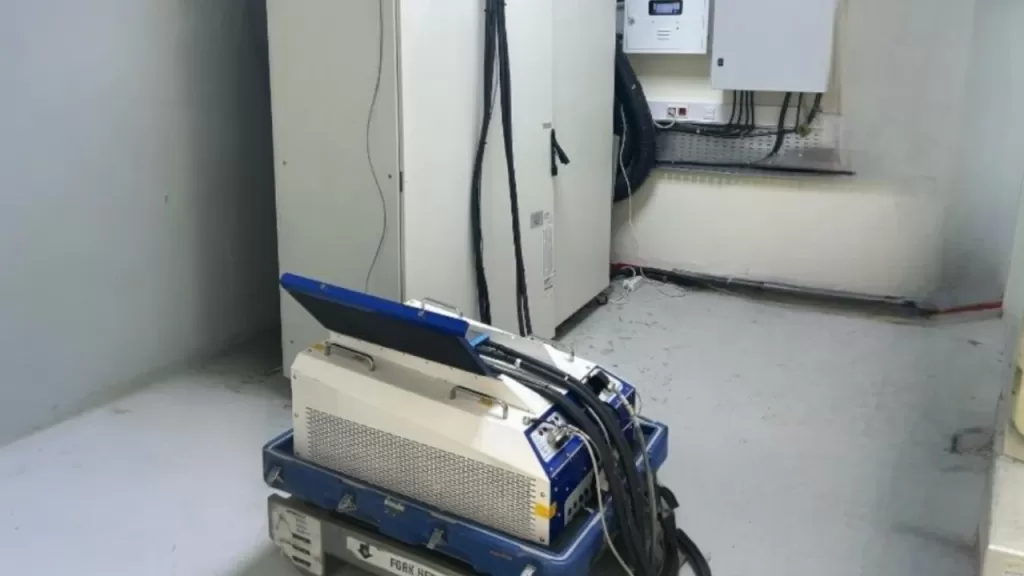
Situations that require MRI magnet ramping
Ramping is not a failure — it is a recovery and activation procedure. However, it becomes necessary after several specific conditions.
- After a quench
- Before transport
- After transport
- Before cryogenic service
- After cryogenic service
- System installation
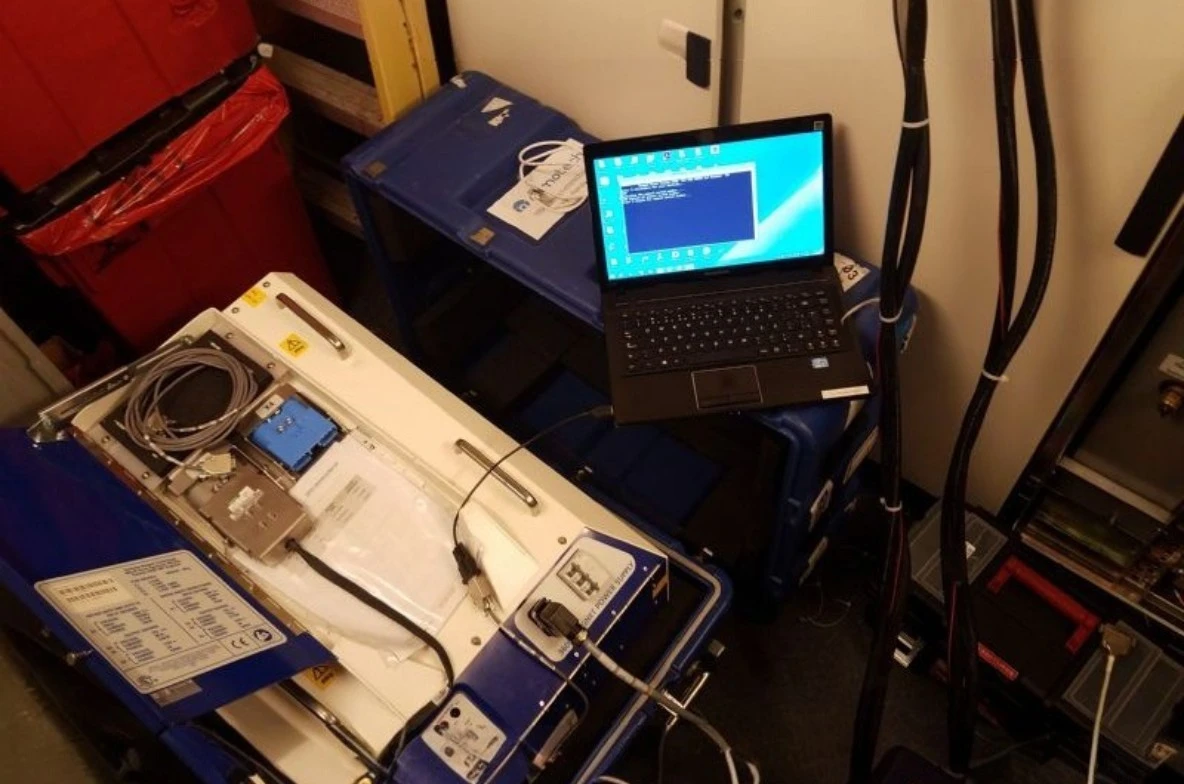
Our MRI Ramping Procedure
After ramping, we verify magnet stability and confirm the system is ready for manufacturer calibration procedures and imaging operation. We also evaluate whether additional services such as helium refill or shimming adjustment are required.
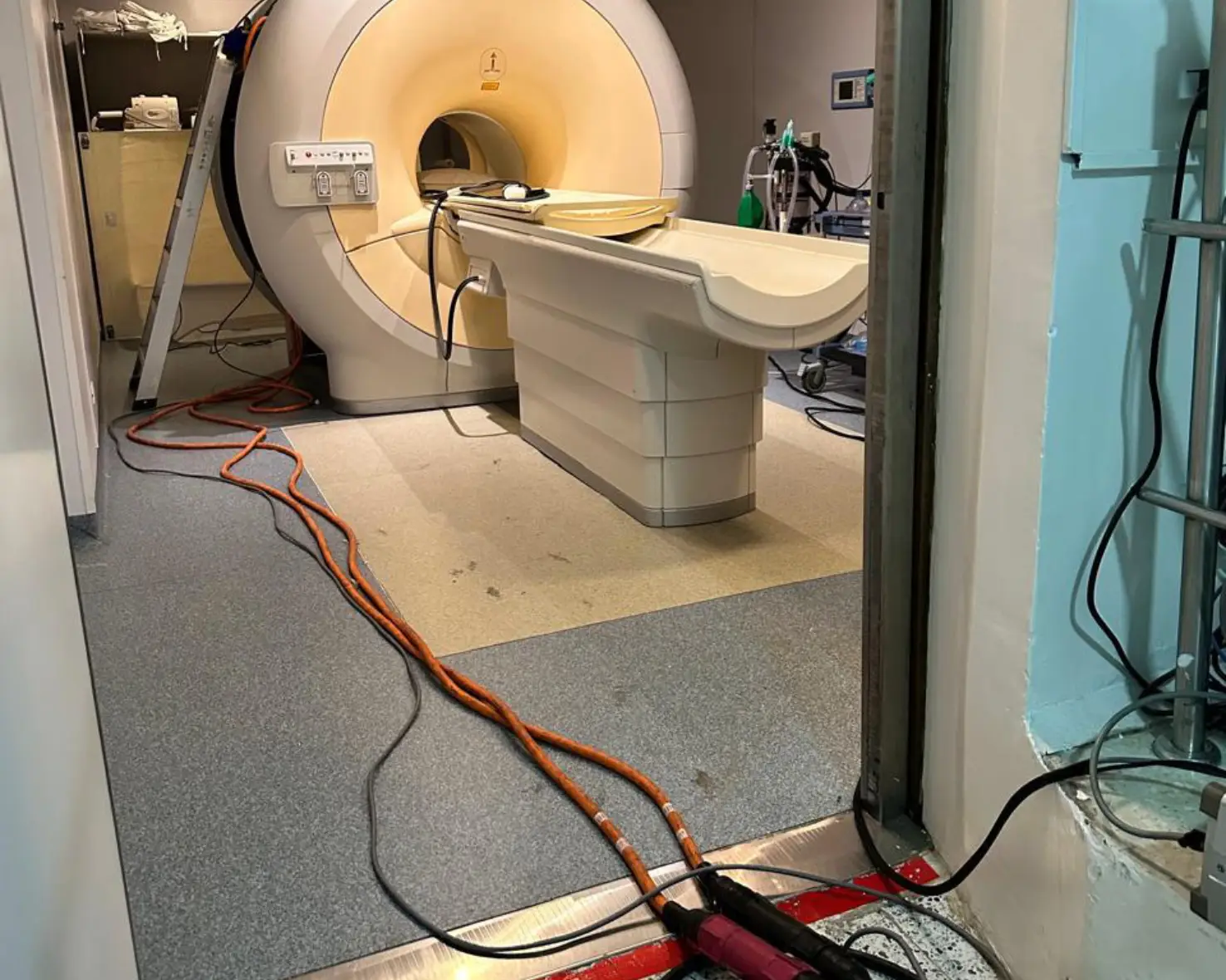
Step 1 — Pre-Ramp Evaluation and Safety Checks
We verify cryogenic conditions, helium level, magnet temperature, and electrical supply stability. The system must be within safe parameters before increasing current in the superconducting coils.
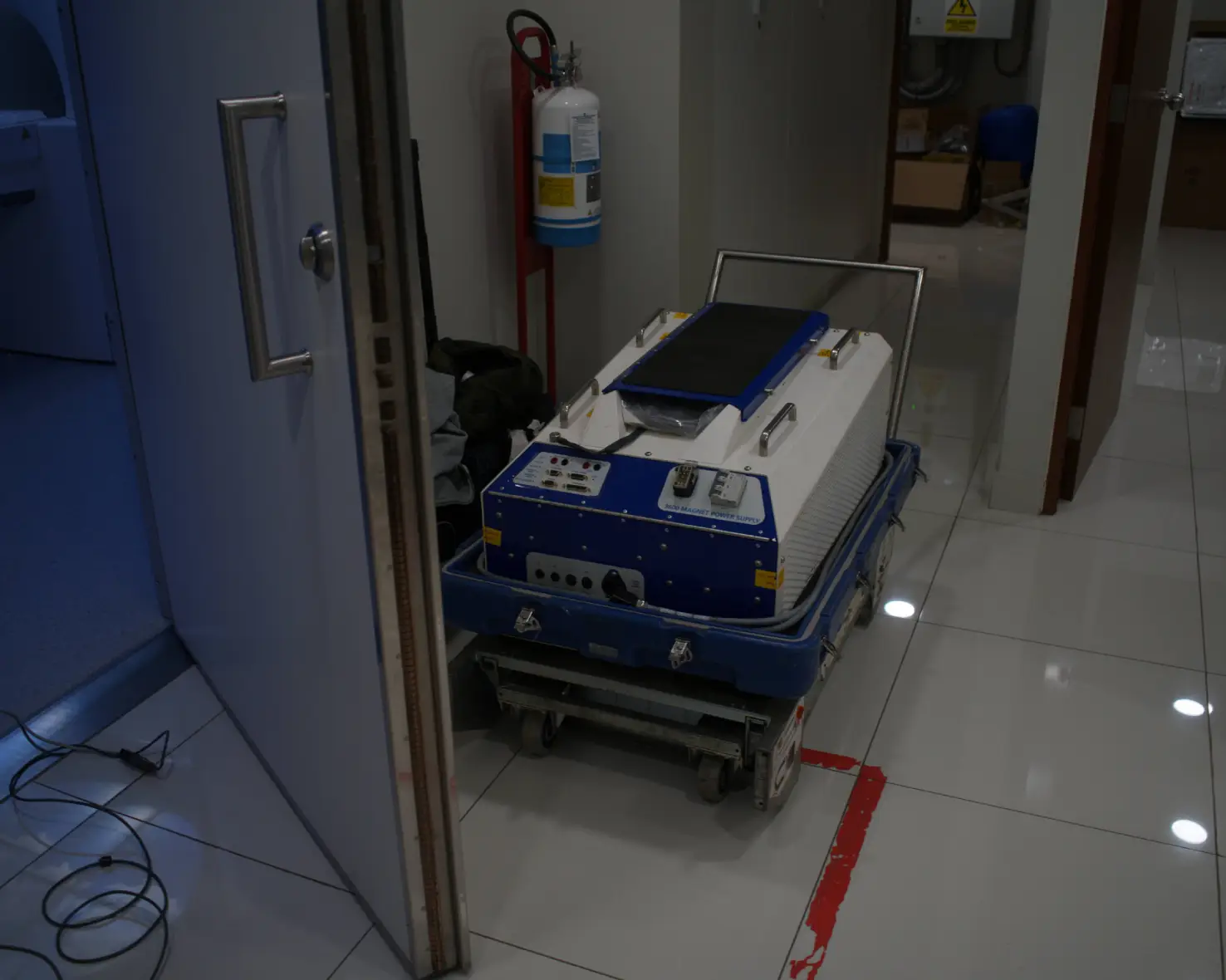
Step 2 — Controlled Field Increase and Monitoring
The magnetic field is increased gradually using a magnet power supply while monitoring voltage, current behavior and system stability. Once nominal field strength is reached, the system is stabilized and prepared for calibration.
MRI systems and platforms we service
Our engineers support a wide range of superconducting MRI systems. Below are some of the platforms we frequently service.
Siemens
- Siemens Magnetom Altea
- Siemens Magnetom Aera
- Siemens Magnetom Amira
- Siemens Magnetom Avanto
- Siemens Magnetom C!
- Siemens Magnetom Espree
- Siemens Magnetom Essenza
- Siemens Magnetom Sempra
- Siemens Magnetom Skyra
- Siemens Magnetom Sola
- Siemens Magnetom Symphony
- Siemens Magnetom Verio
GE Healthcare
- Signa HDxt
- Signa Excite
- Signa Voyager
- Signa Creator
- Optima MR360
- Optima MR450w
- Signa Brivo
- Discovery MR750
- Signa Architect
Philips
- Intera
- Achieva
- Multiva
- Ingenia
What happens if ramping is performed incorrectly?
Unresolved magnetic field instability affects clinical reliability, workflow efficiency and operational performance.
Quench risk
Increasing magnet current too quickly can cause loss of superconductivity and a quench event.
Component stress
Improper ramping may stress coils, connections and cryogenic components, leading to future failures.
Extended downtime
A failed ramping procedure may require cooldown and recovery, delaying system availability.
Request a ramping evaluation
Frequently asked questions about MRI ramping
What is MRI ramping up?
Ramping up is the controlled process of increasing electrical current to energize the MRI magnet and restore its superconducting field.
Why is ramping down necessary?
Ramping down safely discharges the magnet before relocation, maintenance, de-installation, or when major repairs are required.
How long does the ramping process take?
Depending on magnet size, power supply, and OEM specifications, ramping can take between 4–12 hours including testing.
What risks occur if ramping is not done correctly?
Improper ramping can lead to quench events, magnet coil damage, helium loss, thermal stress, and system instability.
Do you support Siemens MRI systems?
Yes — our team has extensive hands-on experience with Siemens MRI ramping procedures and follows OEM technical guidelines.