
MRI helium fill service for GE, Siemens and Philips MRI
Magnetic resonance imaging systems depend on liquid helium to maintain superconductivity. If helium levels drop below safe limits, the magnet can warm up, lose field stability, or suffer irreversible damage. Rumo Tech provides controlled MRI helium refills with proper cryogenic handling and system monitoring.
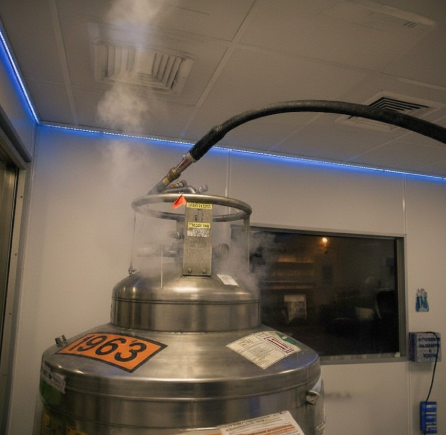
Signs your MRI may be operating with low helium
MRI systems rarely stop immediately when helium levels decrease. Instead, the system begins showing subtle operational changes that are often misinterpreted as electrical or calibration issues. Facilities frequently report image instability, scan interruptions, or recurring cryogenic alarms before realizing the problem is low helium. Operators may notice longer start-up times, frequent compressor activity, or warnings related to magnet temperature or pressure. In other cases, the system continues scanning normally while the helium level drops faster than expected, creating a hidden risk of a sudden magnet shutdown. Because these symptoms resemble gradient, RF or cold head issues, helium depletion is often diagnosed late — sometimes only after a service interruption.
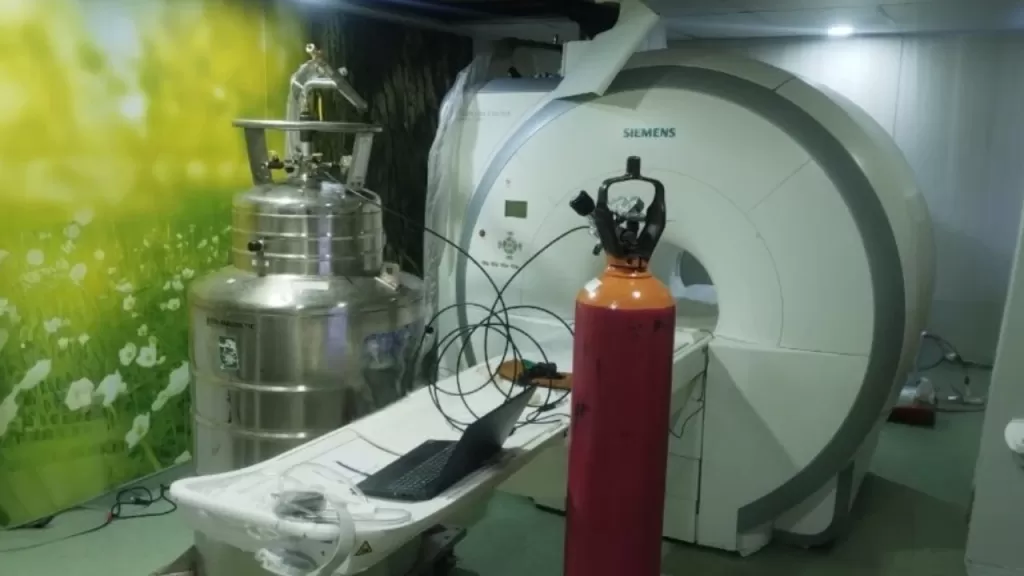
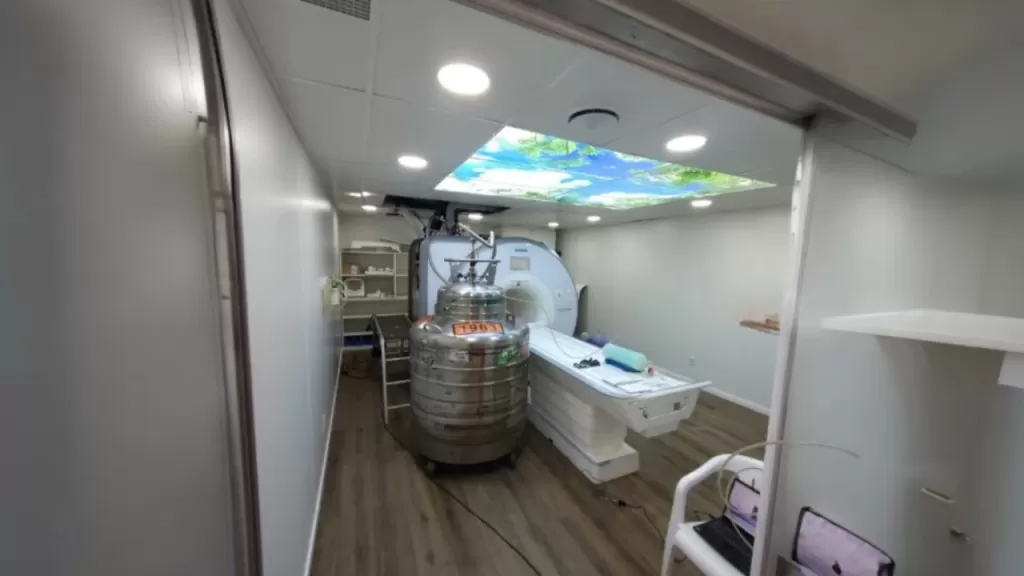
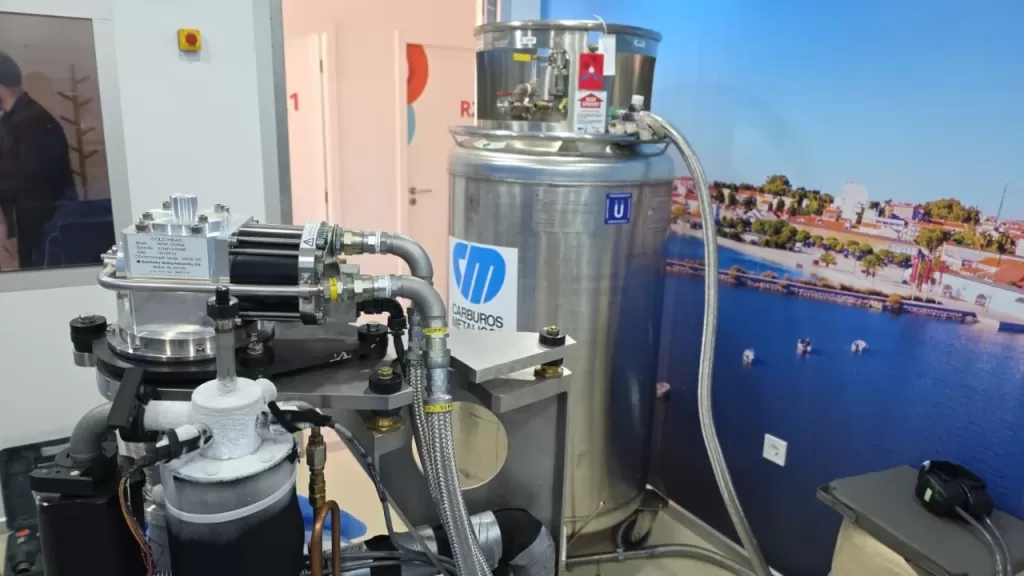
What causes helium loss in MRI magnets?
Helium does not disappear without a reason. Even though slow evaporation is normal in superconducting magnets, accelerated loss is almost always associated with a mechanical or cryogenic condition affecting the cooling cycle.
- Cold head failure
- After quench or ramp down
- Internal leak
- Recent transport
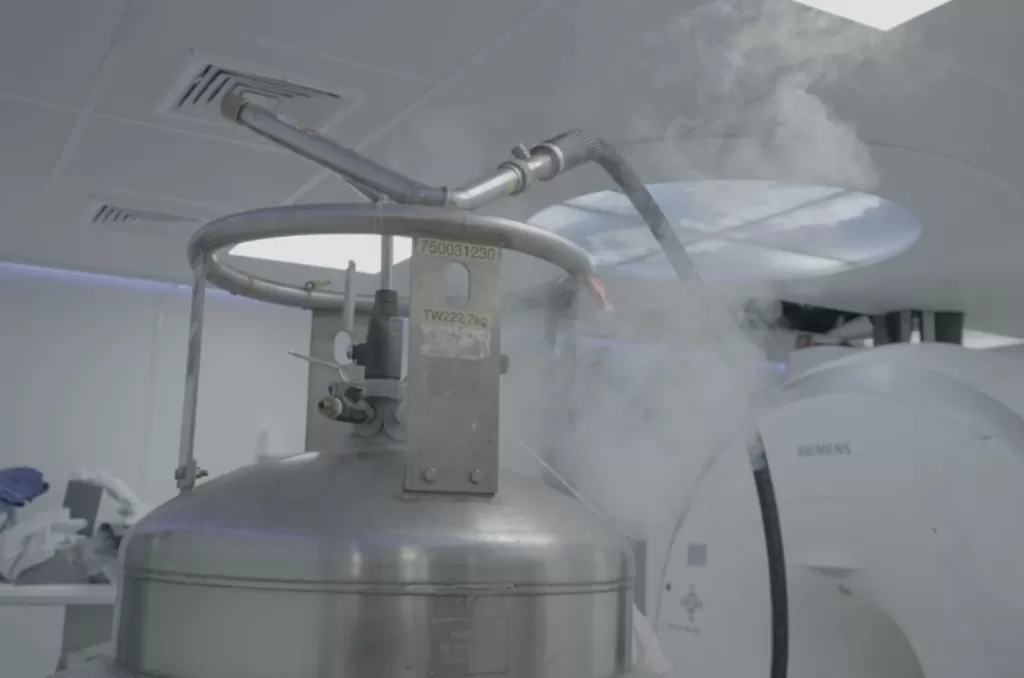
Our MRI Helium Refill Procedure
After stabilization, we monitor the system behavior to confirm that pressure, temperature and alarm status remain within normal operating range. We also evaluate whether the helium loss was caused by natural consumption or by an underlying mechanical issue, helping the facility prevent repeated refills and unnecessary downtime.
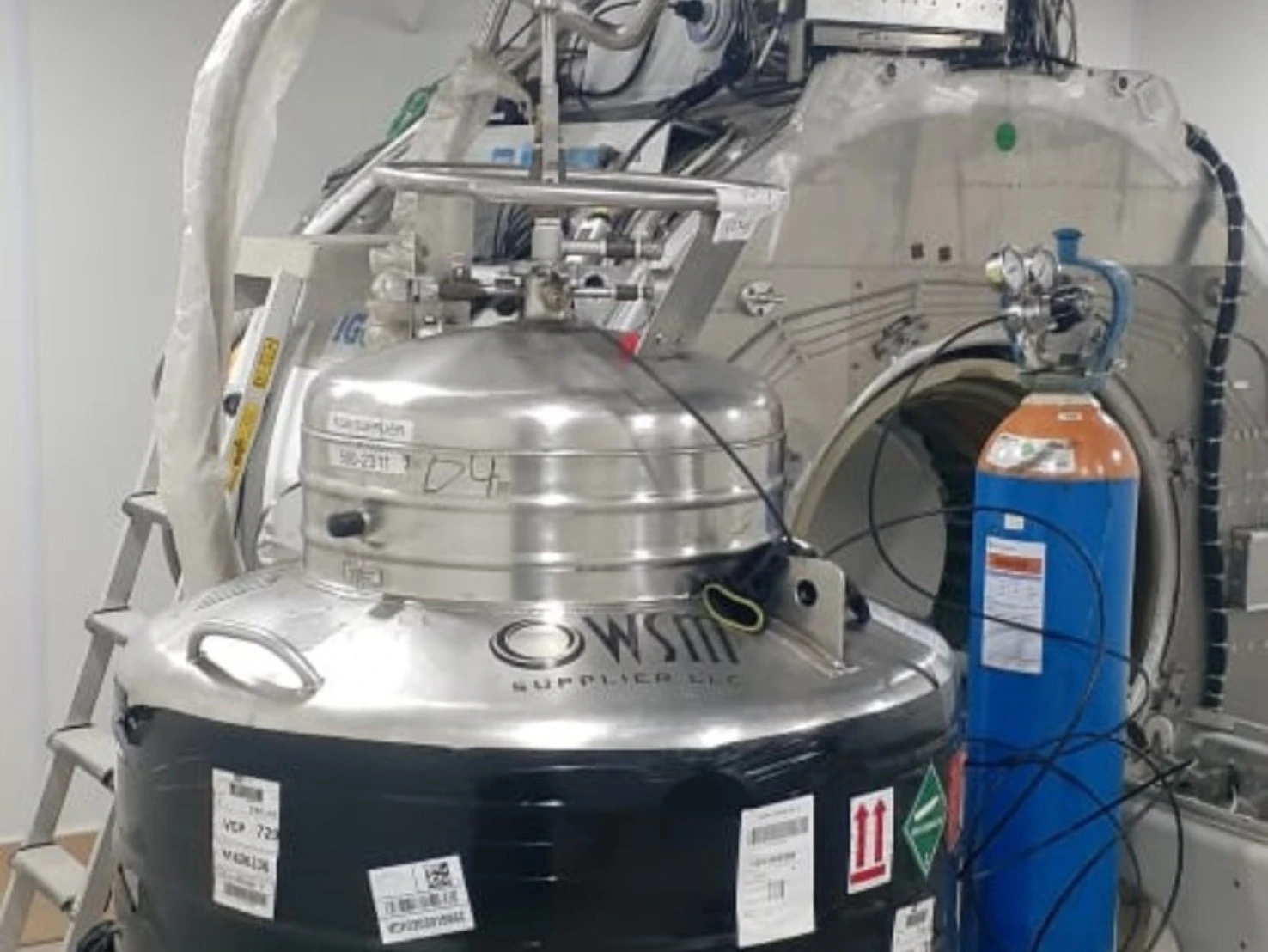
Step 1 — Cryogenic System Evaluation
Before refilling, we analyze pressure behavior, cold head performance and boil-off rate to confirm the magnet is safe for helium transfer. Room ventilation and oxygen monitoring conditions are also verified.
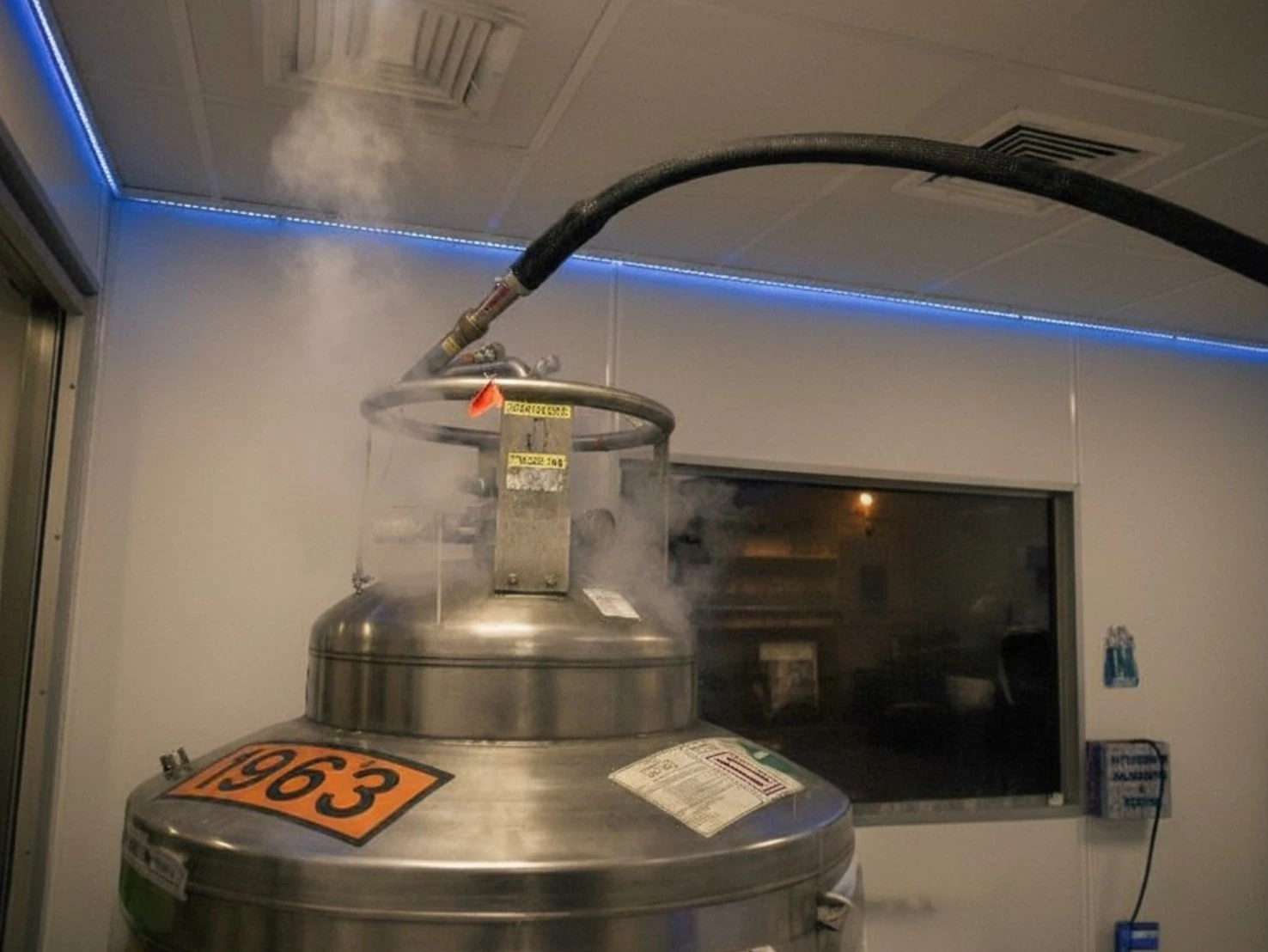
Step 2 — Controlled helium transfer and stabilization
Helium is transferred gradually under monitored pressure conditions to avoid thermal shock inside the cryostat. After filling, the magnet is stabilized and monitored until normal operating parameters and alarm status are restored.
MRI systems and platforms we service
Our engineers support a wide range of superconducting MRI systems. Below are some of the platforms we frequently service.
Siemens
- Siemens Magnetom Altea
- Siemens Magnetom Aera
- Siemens Magnetom Amira
- Siemens Magnetom Avanto
- Siemens Magnetom C!
- Siemens Magnetom Espree
- Siemens Magnetom Essenza
- Siemens Magnetom Sempra
- Siemens Magnetom Skyra
- Siemens Magnetom Sola
- Siemens Magnetom Symphony
- Siemens Magnetom Verio
GE Healthcare
- Signa HDxt
- Signa Excite
- Signa Voyager
- Signa Creator
- Optima MR360
- Optima MR450w
- Signa Brivo
- Discovery MR750
- Signa Architect
Philips
- Intera
- Achieva
- Multiva
- Ingenia
What happens if low helium is ignored?
Operating an MRI magnet with insufficient helium places the entire superconducting system at risk.
Magnet Instability
As helium drops, the magnet warms and field stability decreases. This leads to image artifacts, failed calibrations and scan interruptions.
Automatic ramp down
When cooling becomes insufficient, the MRI may shut down automatically to protect the magnet, stopping all exams.
Quench
If helium becomes critically low, the magnet can quench. The scanner becomes inoperable and requires a full recovery procedure with extended downtime.
Request a helium level evaluation
If your MRI system is showing cryogenic alarms or helium levels are dropping faster than expected, early action can prevent shutdown.
Keep your MRI cold, stable and protected.
How often does an MRI need a helium fill?
Refilling frequency depends on magnet design, cryostat condition, and daily usage. Many systems require periodic helium top-offs to maintain safe levels and prevent costly quenches.
What happens if helium levels get too low?
Low helium levels can cause thermal instability, increase stress on the magnet, and significantly raise the risk of a quench or unplanned shutdown.
Can you perform helium fill on any MRI brand?
Yes, we provide liquid helium fill services for all major MRI manufacturers, including Siemens, GE, Philips, and others.
Is helium fill a risky procedure?
When performed by trained engineers using proper procedures, liquid helium refills are safe and controlled. We follow strict cryogenic safety standards in every service.
Can you help us optimize helium consumption?
Yes. We evaluate helium loss, check cryogenic performance, and recommend actions—such as cold head service or leak checks—to help reduce unnecessary helium use.