
MRI cold head replacement for GE, Siemens and Philips
Cryogenic instability is one of the main causes of unexpected MRI downtime. We diagnose failing cryocoolers and replace cold heads safely, restoring stable magnet operation and preventing shutdown events.
Signs your MRI cold head may be failing
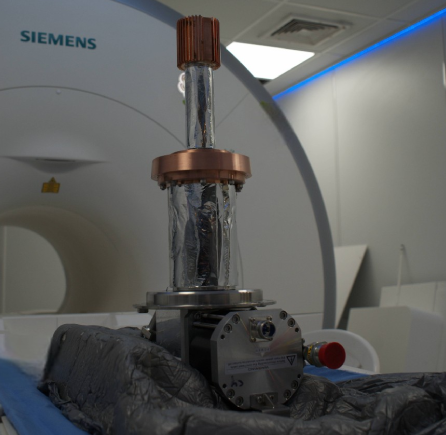
The cold head, also known as the cryocooler, is responsible for maintaining the superconducting magnet at operating temperature. When its performance begins to decline, the MRI system may continue operating, but the cooling capacity gradually decreases. Most imaging centers first notice small operational changes rather than an immediate failure. Helium consumption increases, alarms appear intermittently and compressor behavior changes. Because these symptoms develop progressively, they are often mistaken for sensor or compressor problems. If the cold head is not replaced in time, the magnet may warm up, forcing system shutdown and potentially leading to a quench event. Rumo Tech provides professional cold head replacement services for Siemens, GE and Philips MRI systems, using proper vacuum procedures and specialized tools to restore cryogenic stability.
Typical indicators observed on the system
Cold head deterioration rarely appears as an immediate failure. In most cases the MRI system continues scanning normally while the cooling efficiency slowly decreases. The first indicators are subtle operational changes noticed during routine operation. One of the earliest signs is an increase in helium consumption. The level may drop faster than expected over several days or weeks even without a visible leak. Cryogenic alarms can begin appearing intermittently, usually related to pressure or temperature instability.
- Increased helium consumption
- Cryogenic pressure alarms
- Continuoes compressor operation
- Vibration
- Temperature instability
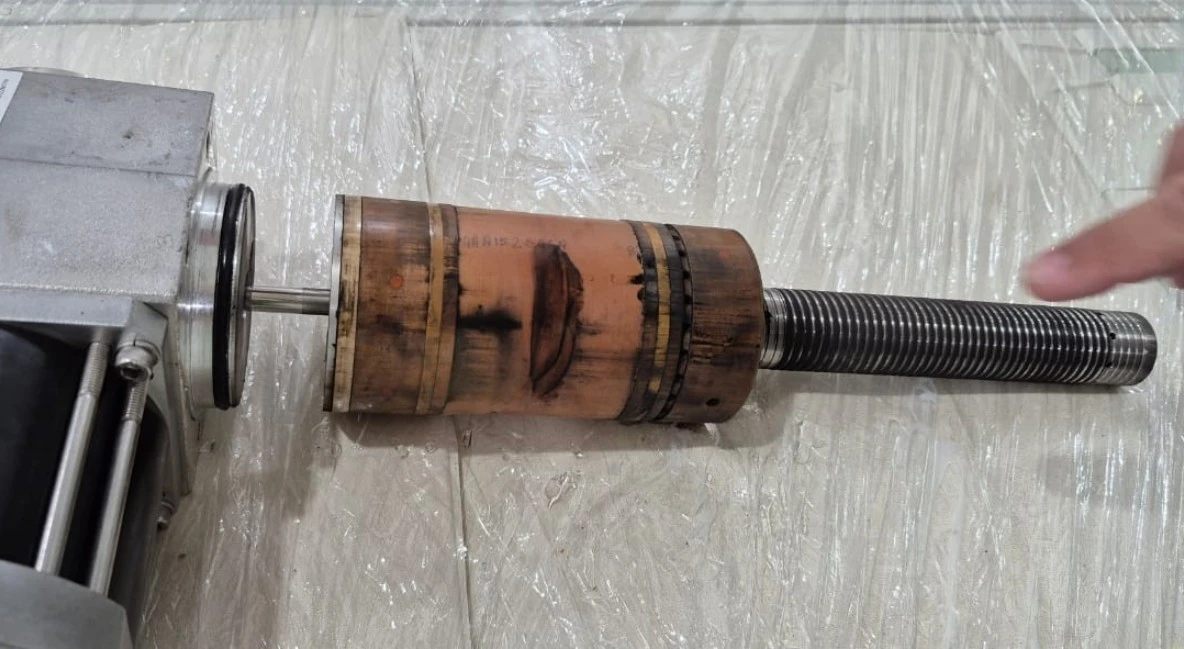
Our replacement procedure
Our engineers follow a defined technical workflow to diagnose magnetic field behavior, apply the appropriate correction and verify image quality before returning the system to operation. This structured procedure allows accurate diagnosis and predictable correction of magnetic field instability.
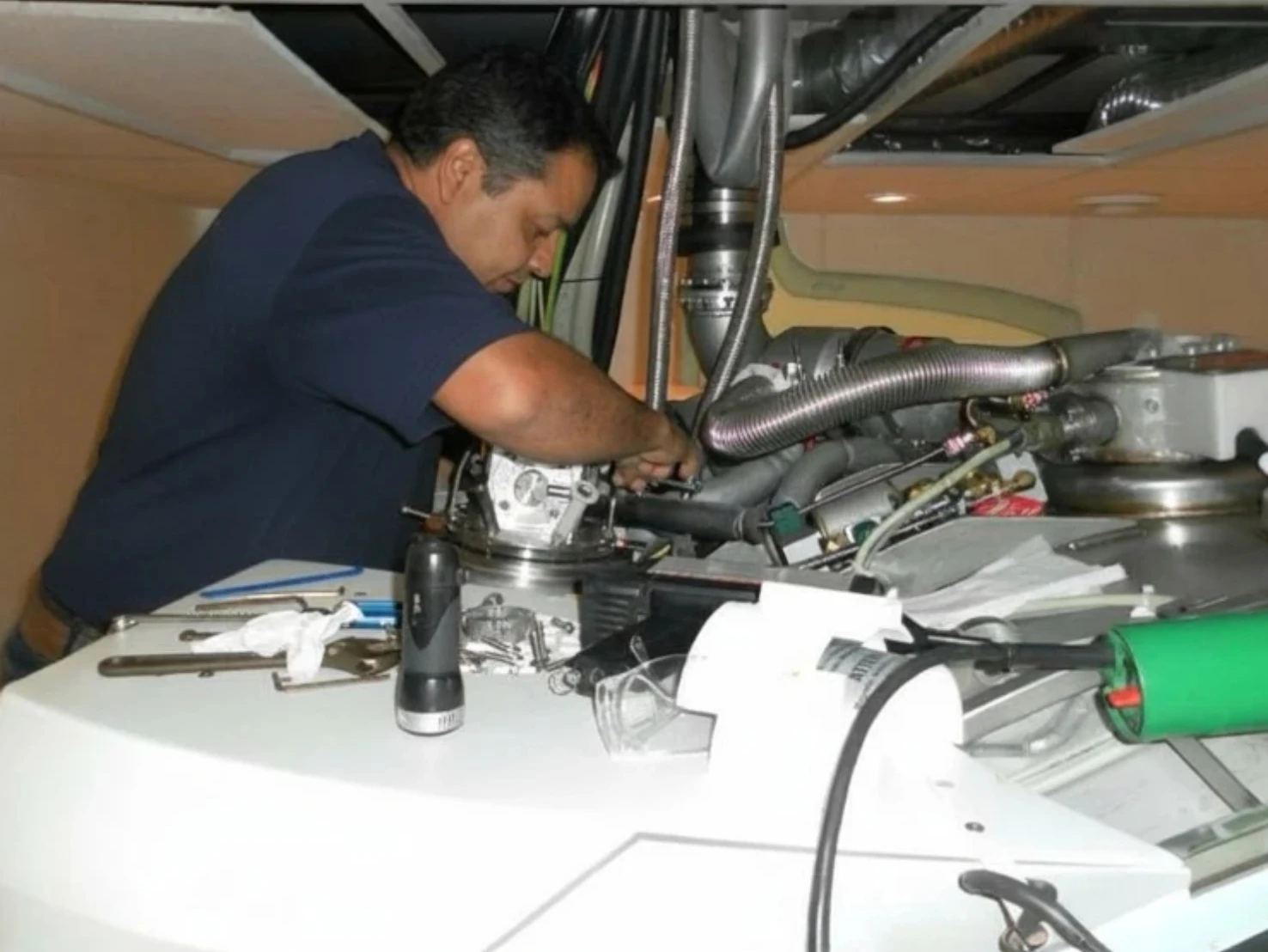
Step 1 — System preparation and cold head removal
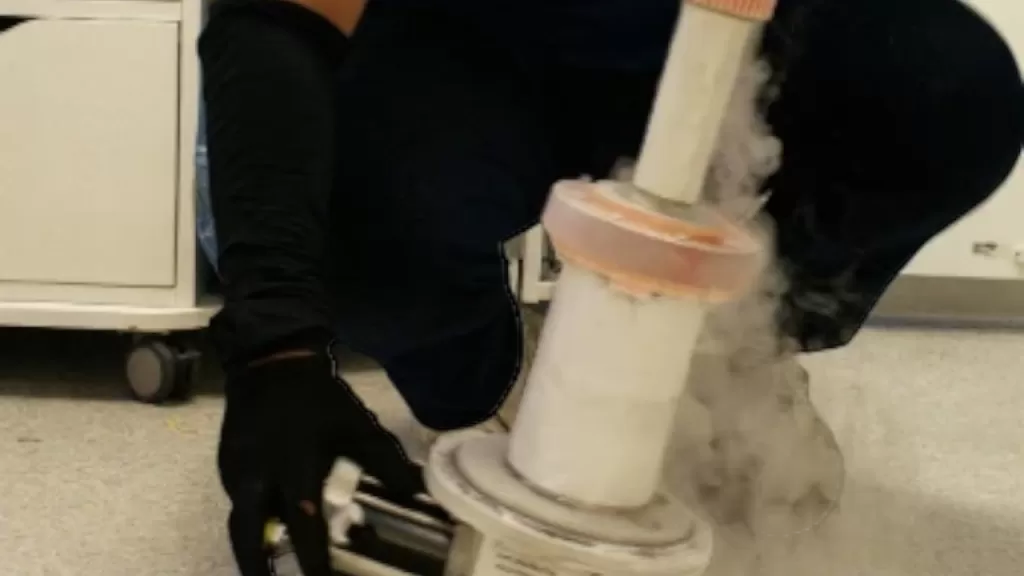
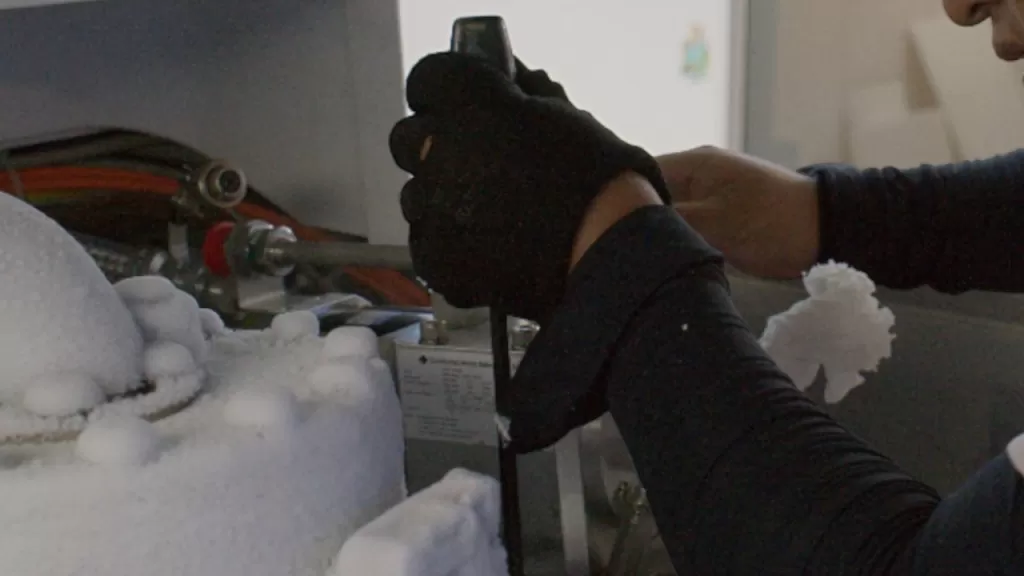
Before replacement, the system operating condition and cryogenic behavior are evaluated to confirm cooling degradation. Alarm history, pressure stability and compressor performance are reviewed. The interface is then prepared and a vacuum pump is connected to protect the magnet environment. Once stable conditions are confirmed, the existing cold head is carefully disconnected and removed using proper handling procedures. This stage ensures the magnet remains protected while preventing contamination or unnecessary helium loss.
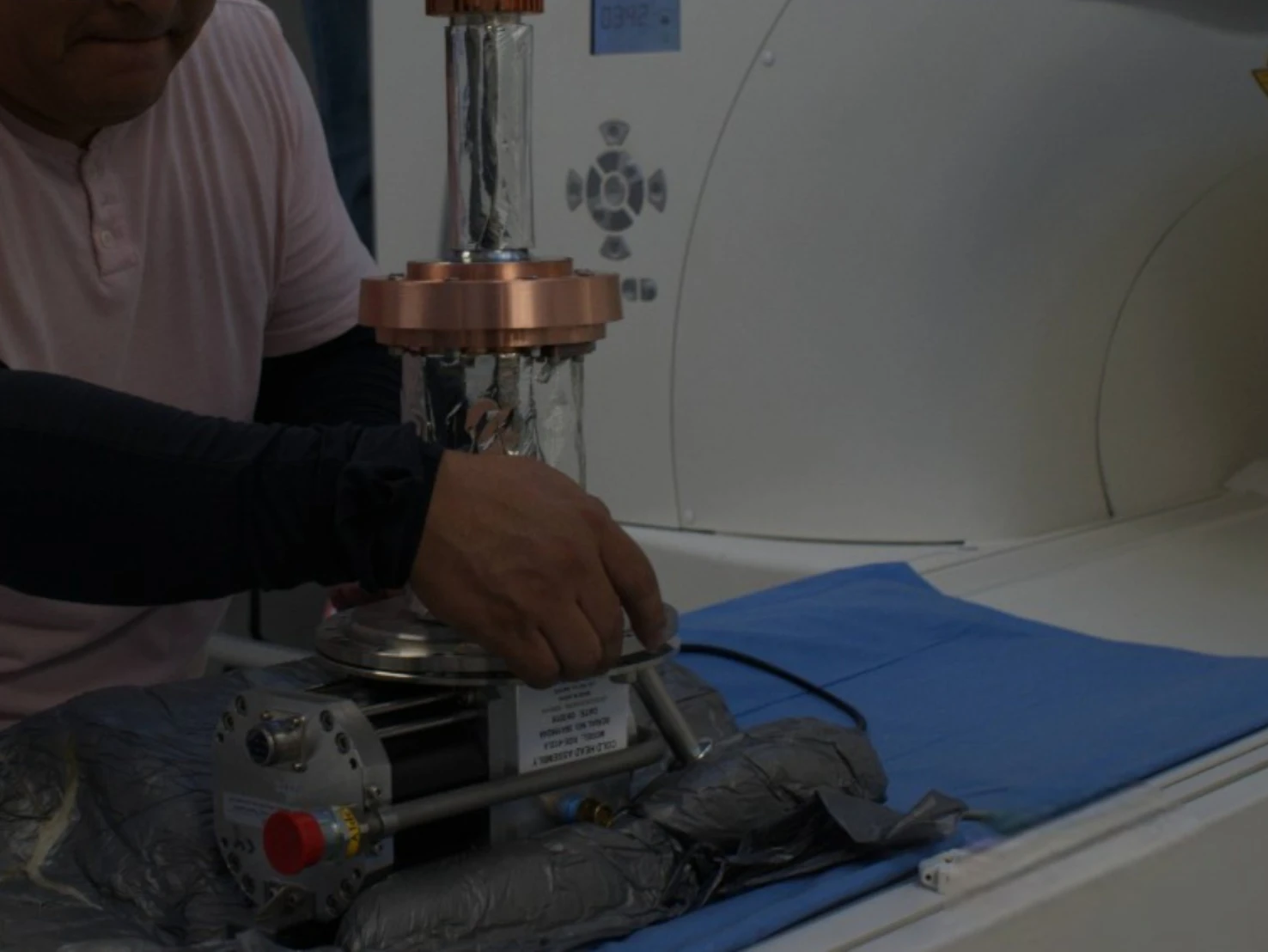
Step 2 — Installation, recovery and stabilization
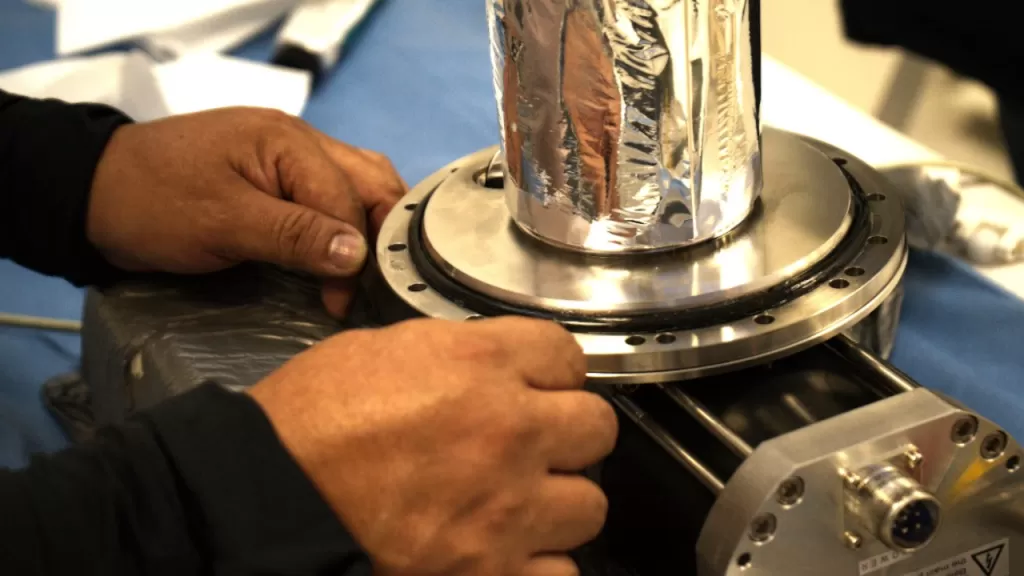
The replacement cold head is installed, aligned and properly sealed. After installation, the vacuum integrity is restored and all connections are verified.
The system is restarted and monitored while cryogenic parameters stabilize. Pressure behavior, temperature trend and compressor cycling are observed to confirm proper cooling performance. Final validation confirms the magnet has returned to stable operation and normal cryogenic behavior.
MRI systems and platforms we service
Our engineers support a wide range of superconducting MRI systems. Below are some of the platforms we frequently service.
Siemens
- Siemens Magnetom Altea
- Siemens Magnetom Aera
- Siemens Magnetom Amira
- Siemens Magnetom Avanto
- Siemens Magnetom C!
- Siemens Magnetom Espree
- Siemens Magnetom Essenza
- Siemens Magnetom Sempra
- Siemens Magnetom Skyra
- Siemens Magnetom Sola
- Siemens Magnetom Symphony
- Siemens Magnetom Verio
GE Healthcare
- Signa HDxt
- Signa Excite
- Signa Voyager
- Signa Creator
- Optima MR360
- Optima MR450w
- Signa Brivo
- Discovery MR750
- Signa Architect
Philips
- Intera
- Achieva
- Multiva
- Ingenia
What happens if not replaced
Operating an MRI system with a degraded cold head can lead to progressive cooling loss. Initially, only alarms may appear, but the condition worsens over time.
Progressive helium loss
Cooling efficiency decreases and helium boil-off increases, requiring frequent refills and raising operational costs.
Risk of magnet quench
If cooling is no longer maintained, magnet temperature may rise and lead to a quench event and emergency service.
Unexpected system shutdown
Loss of cooling capacity can force the MRI to stop scanning, interrupting exams and clinical scheduling.
Need a quote for MRI cold head replacement?
Send us your MRI model, cold head model, and system condition. Our team can provide pricing, exchange options, availability, and technical guidance to help reduce downtime.
Frequently asked questions about cold head replacement MRI
What are the signs that my cold head needs replacement?
Increased helium loss, rising magnet temperatures, unstable cooling cycles, frequent compressor alarms, or reduced hold times.
Signs Your MRI cold head needs replacement
Most cold heads reach the end of their optimal life between 1-3 years, depending on usage, environment, and manufacturer specifications.
What happens if I delay cold head replacement?
Helium loss increases, cooling performance drops, and the magnet becomes vulnerable to quench events — which can result in long downtime and high recovery costs.
Do you replace cold heads on all MRI brands?
Yes. We service Siemens, GE, Philips, Hitachi, Canon and most OEM cryogenic platforms.
Do you provide cryogenic diagnostics with the service?
Yes. Every replacement includes full helium system evaluation, leak detection, vacuum verification, and post-service cooling performance analysis.
Do you monitor the cold head after service?
Yes. With our Ebox remote support platform, you receive real-time cryogenic monitoring to ensure stable long-term performance.
How much does MRI cold head replacement cost?
MRI cold head replacement typically ranges from $15,000 to $35,000 depending on the system model, cold head type, and whether an exchange unit is available. Siemens, GE and Philips systems may vary. Contact Rumo Tech for a specific quote based on your MRI model and condition.