
MRI cold storage services for sites not ready for installation
When an MRI system cannot be installed immediately, keeping the magnet cold and operational becomes a major challenge. A fully energized MRI requires much more than storage space — it needs stable electrical infrastructure, chiller support, compressor operation, and continuous cryogenic monitoring to prevent downtime, helium loss, or unexpected issues.
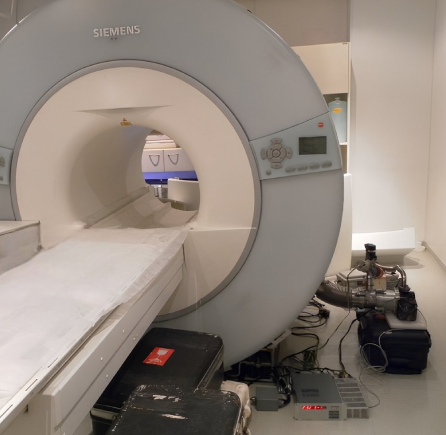
Specialized MRI cryogenic storage infrastructure
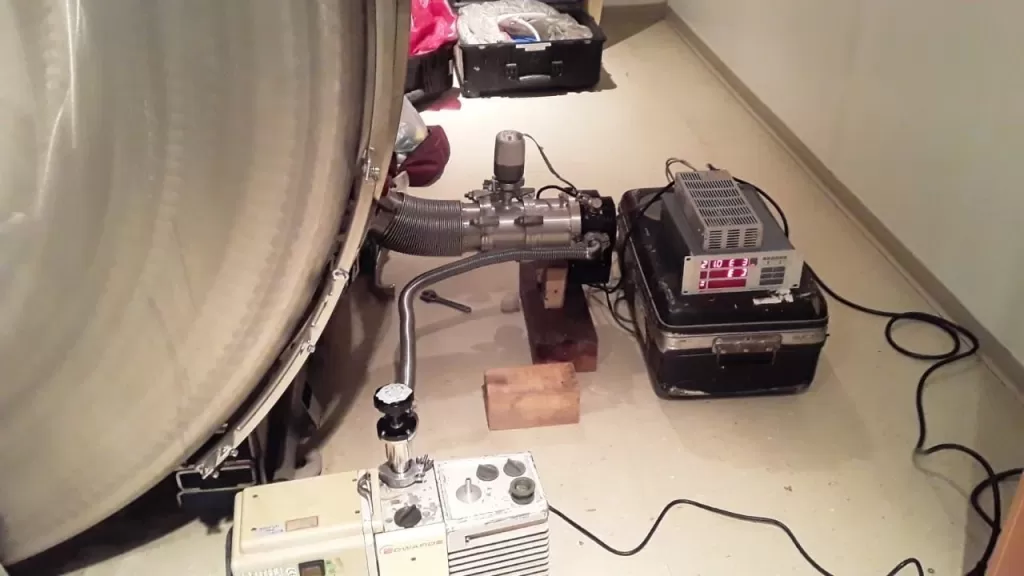
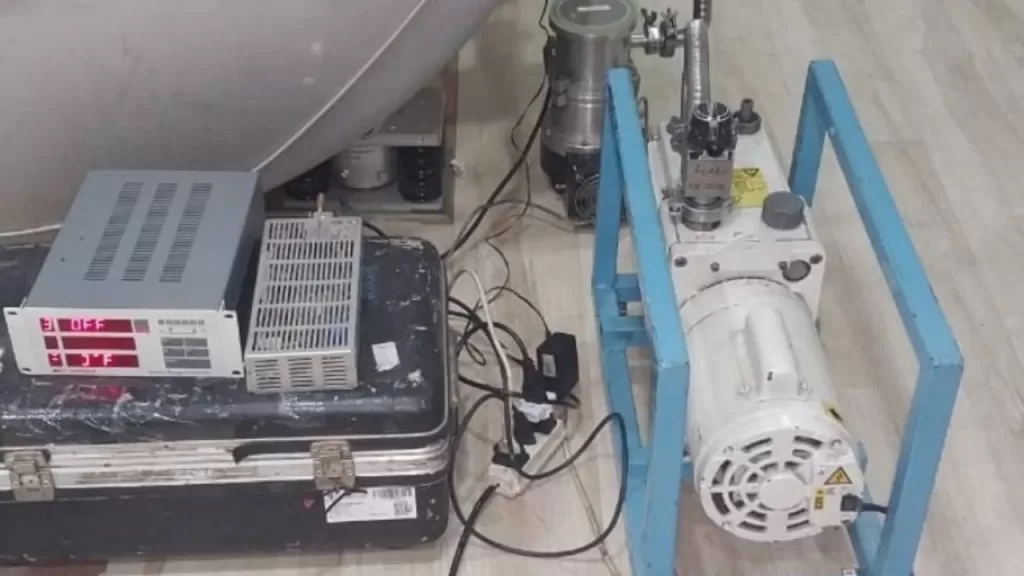
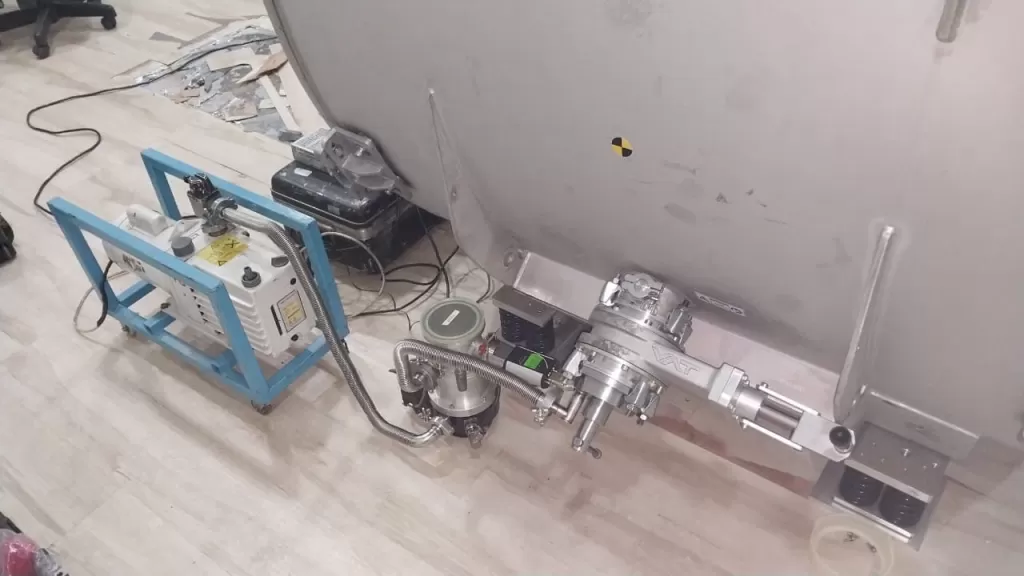
Why MRI cold storage matters?
- Dedicated electrical infrastructure for MRI operation
- Chiller support and cooling management
- Compressor operation and monitoring
- 24/7 remote monitoring and alarm supervision
- Cryogenic performance tracking
- Technical support from MRI cryogenic specialists
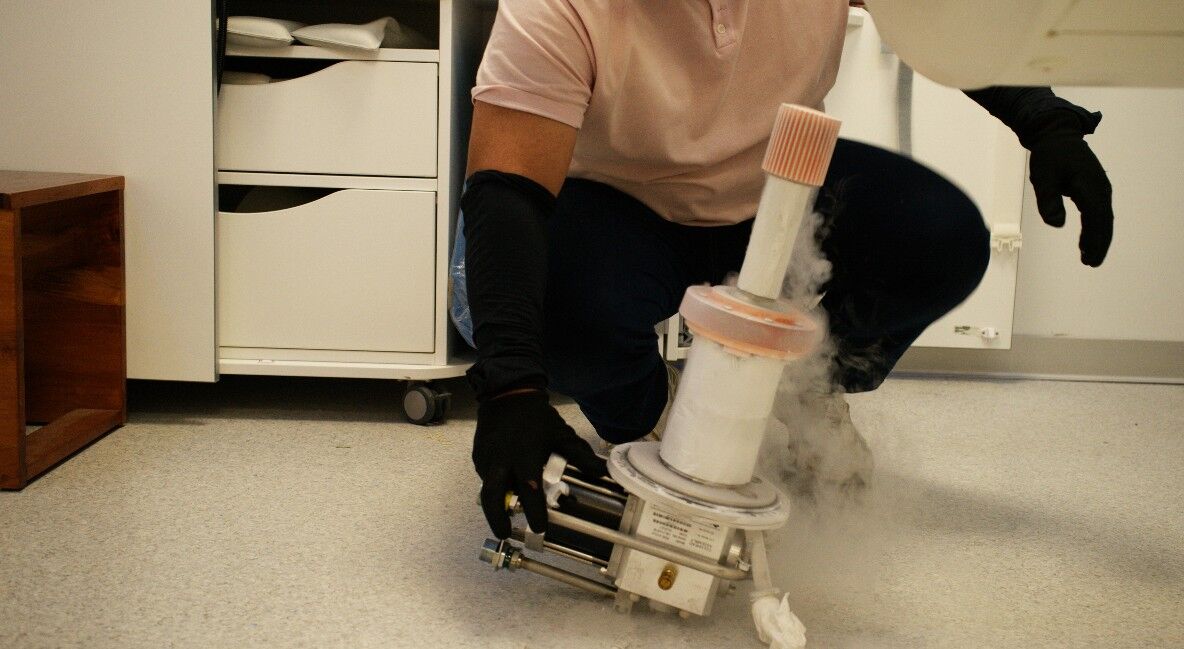
Our MRI cold storage procedure
Our MRI Cold Storage process is designed to maintain the system operational, cryogenically stable, and continuously monitored throughout the entire storage period. From arrival at our facility to final shipment or installation, every step is managed by MRI specialists experienced in cryogenic systems and magnet preservation.
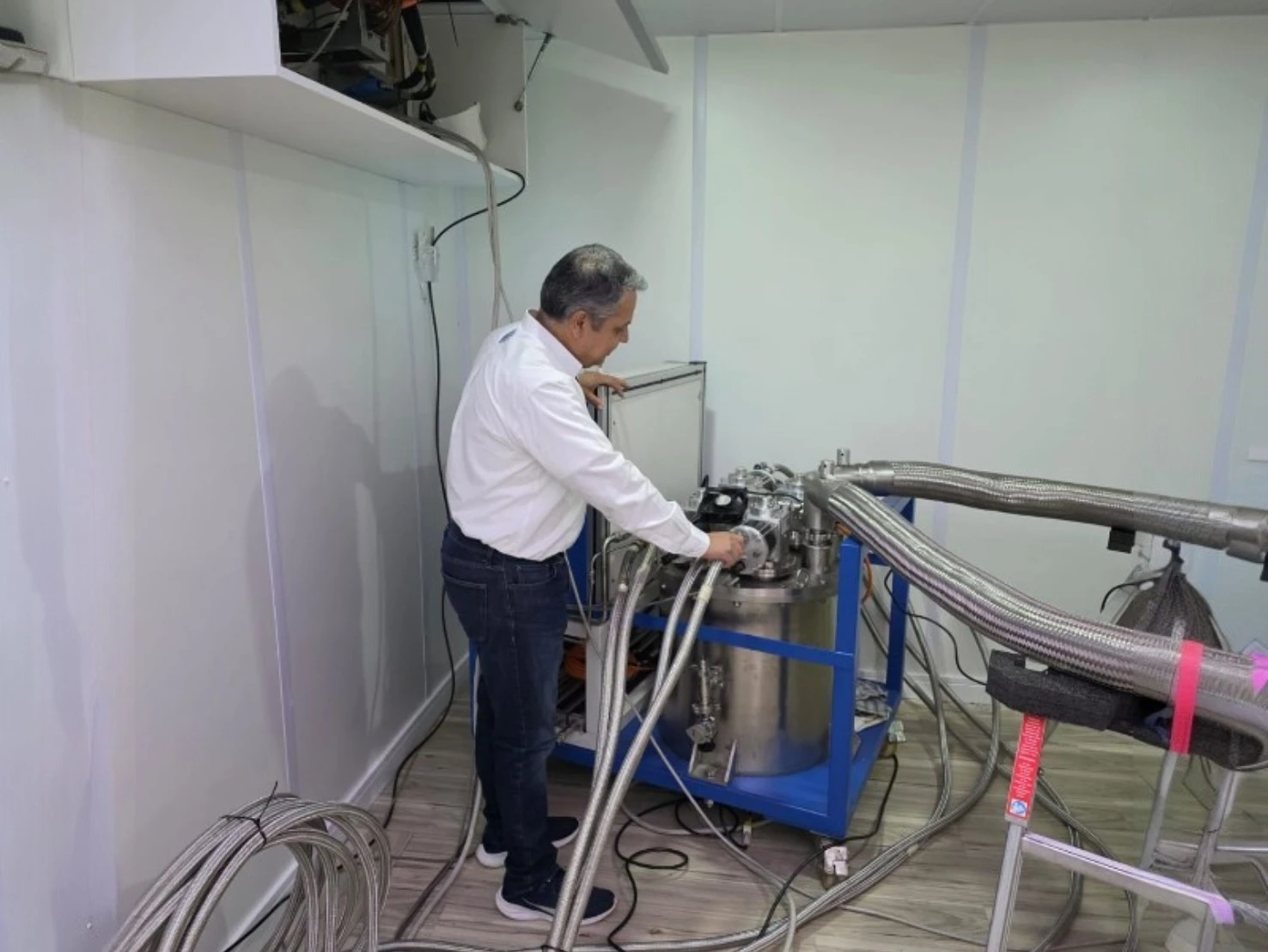
Step 1 — MRI Arrival & Initial Evaluation
Once the MRI system arrives at our facility, our team performs an initial technical evaluation to verify the system condition, cryogenic status, and storage requirements.
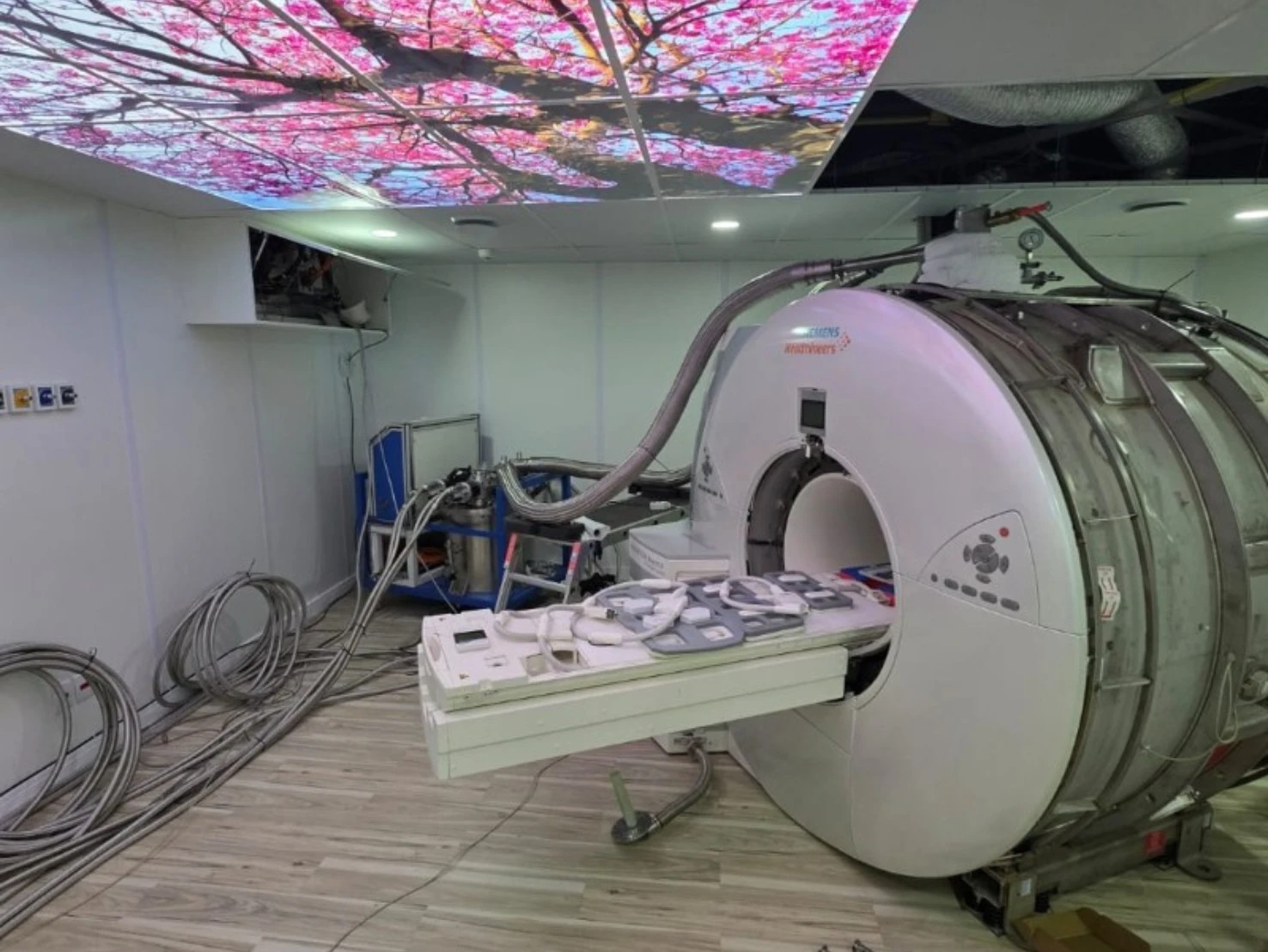
Step 2 — Electrical and cooling infrastructure setup
After setup, our cryogenic specialists monitor the MRI system to confirm stable refrigeration performance and proper operational parameters.
This stage helps ensure:
- Stable cold head operation
- Proper compressor performance
- Controlled magnet pressure conditions
- Reduced helium consumption risks
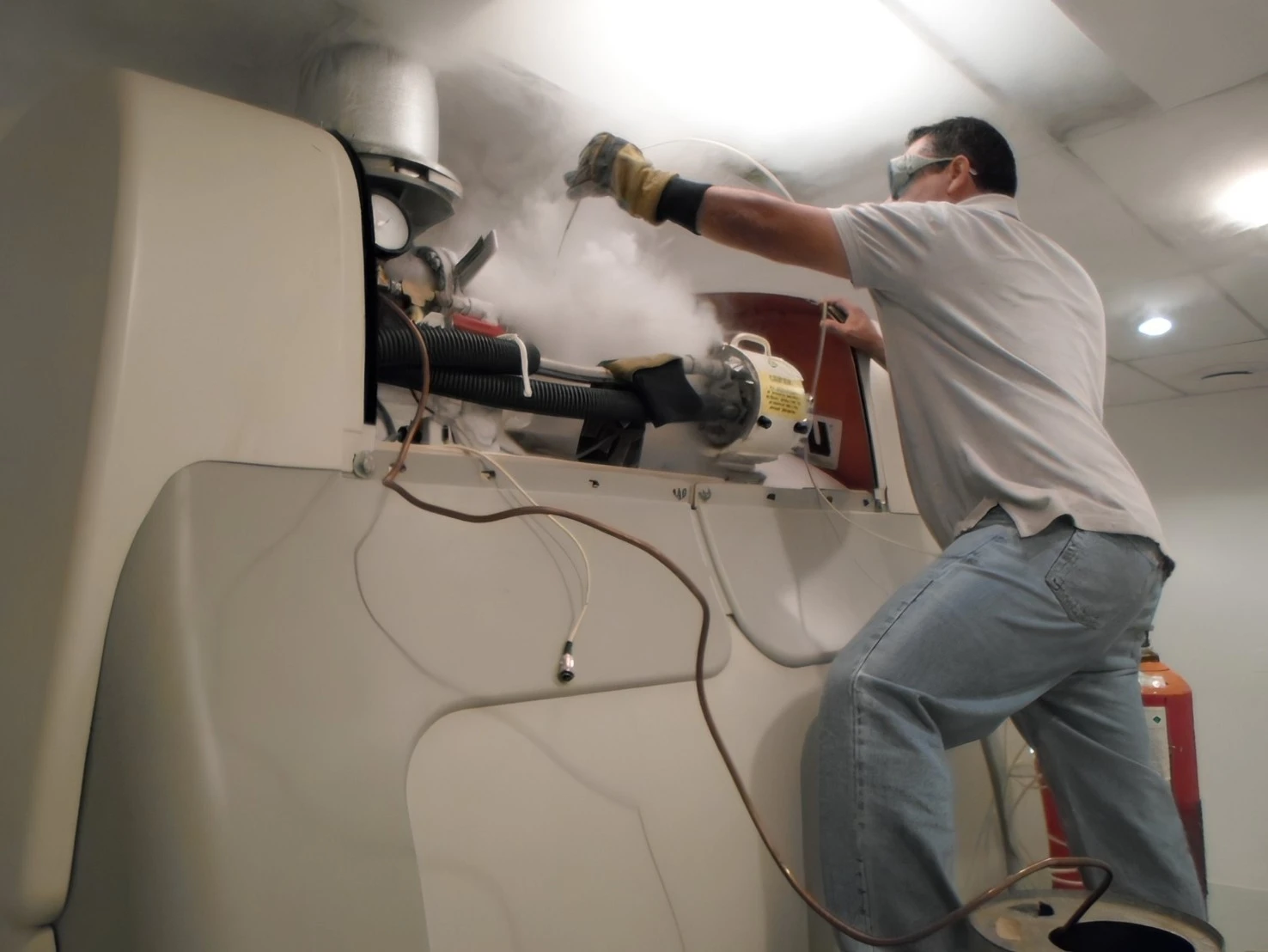
Step 3 — 24/7 monitoring
During the entire storage period, the MRI system remains under continuous remote monitoring through our monitoring platform.
Our team supervises critical parameters such as:
- Magnet pressure
- Helium trends
- Compressor activity
- Water temperatures
- Power conditions
- Cryogenic alarms and operational events
This proactive monitoring approach allows rapid response in case of abnormal conditions.
MRI systems and platforms we service
Our engineers support a wide range of superconducting MRI systems. Below are some of the platforms we frequently service.
Siemens
- Siemens Magnetom Altea
- Siemens Magnetom Aera
- Siemens Magnetom Amira
- Siemens Magnetom Avanto
- Siemens Magnetom C!
- Siemens Magnetom Espree
- Siemens Magnetom Essenza
- Siemens Magnetom Sempra
- Siemens Magnetom Skyra
- Siemens Magnetom Sola
- Siemens Magnetom Symphony
- Siemens Magnetom Verio
GE Healthcare
- Signa HDxt
- Signa Excite
- Signa Voyager
- Signa Creator
- Optima MR360
- Optima MR450w
- Signa Brivo
- Discovery MR750
- Signa Architect
Philips
- Intera
- Achieva
- Multiva
- Ingenia
Risks of storing an MRI without cryogenic support
Improper temporary storage can compromise magnet stability, increase operational risks, and generate unnecessary cryogenic costs.
Helium loss
Lack of proper monitoring may result in avoidable helium consumption and higher costs.
Delays in installation projects
Storage-related issues may delay transportation, startup, and final site installation.
Limited visibility over system condition
Without continuous monitoring, potential cryogenic issues can remain unnoticed until they become critical.
Need temporary MRI cold storage?
Frequently asked questions about MRI cold storage
What is MRI cold storage?
MRI cold storage is a specialized service designed to maintain an MRI system operational and cryogenically stable while it is temporarily stored before installation, relocation, or transportation.
Why does an MRI require specialized storage?
An MRI system contains a superconductive magnet filled with liquid helium. To keep the magnet operational, the system requires proper refrigeration, electrical infrastructure, cooling support, and continuous monitoring.
What happens if an MRI is stored without proper cryogenic support?
Improper storage conditions may increase helium loss, create refrigeration instability, generate system alarms, or lead to costly recovery procedures before installation.
Does Rumo Tech monitor the MRI during storage?
Yes. MRI systems stored in our facility can be monitored 24/7 through our remote monitoring platform, allowing supervision of critical cryogenic and operational parameters.
Which MRI brands do you support?
Our team supports multiple MRI manufacturers, including Siemens, GE, Philips, and other MRI systems requiring cryogenic maintenance and monitoring.